MG Live Grand at 6 Club
At 6 Club, MG Live Grand is a live studios provider experience built around clean tables, crisp UI, and consistent round flow.
MG Live Grand is built for players who want a traditional live-casino feeling: real table flow on camera, clear bet windows, and automatic settlement when the round ends. At 6 Club, this style of live play is ideal if you prefer steady pacing over instant slot spins. You’ll see familiar table formats like baccarat-style play, roulette, and blackjack-style rounds depending on what’s available in your lobby and region.
This guide focuses on the parts you can control. Live studios doesn’t reward complicated ‘systems’ as much as it rewards clean execution: picking a table with comfortable limits, placing bets early (not at the last second), and using a simple bankroll plan that stops you from chasing. If you follow those basics, MG Live Grand sessions feel calmer, more predictable, and easier to enjoy.

Quick facts and table of contents
If you only have two minutes, read this: choose limits that let you play 30–60 rounds without stress, pick one game type for the session, and place bets early. The rest of this page expands those rules into a step-by-step playbook—how the live round cycle works, what the UI symbols typically mean, and how to practice safely when a true demo isn’t available.
Provider
MG Live Grand
Classic live tables with a calm round rhythm.
Best For
Baccarat-style tables
Fewer decisions per round, steady pace.
Play Style
Timer-based betting
Bet window → round resolves → payout settles.
Skill Factor
Low–Medium
Execution matters: timing, table choice, discipline.
Demo Reality
Often limited
Practice with observation rounds + minimum stakes.
Devices
Mobile + Desktop
Stable internet helps prevent missed-bet issues.
The calm-session rule
If you feel rushed, don’t bet. Sit out one round, reset, then continue.


Overview
MG Live Grand is best understood as a ‘lane’ inside the live studios. You join a table, you get a timer to place bets, the dealer resolves the round on camera, and your results settle automatically. The experience is structured—there’s a beginning and end to each round—so you can build a routine that stays consistent across tables.
That structure is also why live studios can quietly run long. Each round is short and feels manageable, so it’s easy to say ‘one more’ repeatedly. The solution is not willpower; it’s planning. Decide your session budget and your stop time before you join the table. When the budget ends or the timer ends, your session ends—no exceptions.
Live studios has a different kind of risk than slots. Slots can ‘tilt’ players through fast cycles. Live tables can ‘tilt’ players through immersion: the stream looks premium, the atmosphere feels social, and you can forget time. Treat MG Live Grand as entertainment with guardrails and you keep the best part of live play (clarity and pacing) without the worst part (overplaying).
Finally, remember that table availability can vary. Some lobbies show many baccarat variants; others lean into roulette or local favourites. This guide is written to be useful across those variations. If your table names or UI labels look different, the underlying concepts remain the same: timer discipline, limit selection, and a simple plan.
Why MG Live Grand
MG Live Grand sessions are easiest when the experience is consistent. Consistency matters because the ‘skill’ in live studios is operational: you’re managing the timer, confirming the correct betting spot, and staying emotionally steady. When pacing and UI are predictable, it becomes easier to play the same way every round.
The most common beginner frustration is not understanding rules—it’s feeling rushed. Rushed play leads to wrong chips, wrong bet spots, and late confirmations. MG Live Grand-style tables are best enjoyed when you turn the timer into a background detail. You do that by making decisions before the bet window opens and then executing early.
If you like classic casino aesthetics, steady round cycles, and a clean interface on mobile, MG Live Grand is a strong fit. It’s also a good choice when you want to practice discipline: flat stakes, fixed session time, and calm table selection.
How live tables work
Every live table is built around the same loop. First, the table opens a betting window. During that window you place chips (or select a bet) on the layout. When the countdown ends, betting locks. Then the dealer resolves the round: cards are dealt, the wheel is spun, or the draw is completed. Finally, the result settles to your balance.
The key insight is that the betting window is not decision time. Decision time should happen before the timer starts. Decide what you’re betting, which chip size you’re using, and what your maximum session loss is. When the betting window opens, your job is execution: place the plan early and confirm you’re on the correct spot.
If you ever feel uncertain mid-countdown, sit out. Watching one round is free. It also teaches you table pace, camera angles, and whether the interface requires extra confirmation. Skipping one round protects you from a bad bet placed under stress.
How to start
A clean start is the easiest way to reduce mistakes. Enter the live studios lobby, browse tables without clicking quickly, and choose a table type you can play calmly. Beginners typically start with baccarat-style play because it has fewer decisions per round. Roulette is also beginner-friendly if you start with outside bets.
Before your first real bet, watch one full round. This is your ‘practice preview’: you learn where the timer appears, how the chip selector behaves, and how results are displayed. After that one round, place your first bet early in the next countdown so you never feel rushed.
If you are practicing, keep sessions short. A great first session is 20–30 minutes or 30–50 rounds. Your goal is not to win; your goal is to execute correctly: pick limits, place bets early, and stop on schedule.
Table selection
Table selection is the hidden lever of live studios. The wrong limits create pressure, and pressure creates bad decisions. The right limits create breathing room. Your table minimum should be low enough that you can comfortably play 30–60 rounds within your session budget. If you can’t, switch to a lower-limit table.
Choose stability over excitement. A smooth stream and predictable timer are more important than flashy side bets. If your video is buffering or your UI feels laggy, do not bet—close the table and re-open or switch. Most ‘missed bet’ stories start with unstable connection.
Treat side bets as optional entertainment, not as your main plan. Side bets increase variance and complexity under the timer. If you are learning, ignore side bets for the first 10–20 rounds so you can master clean execution first.
Symbols & UI
Live studios UI is consistent once you learn it. Most tables include a countdown timer, chip selector, bet layout highlights, and controls like undo, clear, and rebet. These controls are there to reduce mistakes—if you use them proactively.
Your best habit is to confirm what the interface is showing you. Is the correct chip selected? Is the correct spot highlighted? Is the timer still high enough that your click will register? When you treat the UI like a checklist, you stop losing money to simple errors.
| Symbol | Where | Meaning | Pro tip |
|---|---|---|---|
| Countdown timer | Top bar / bet panel | Shows how long you have to place (and sometimes confirm) bets before the round locks. | Place bets early. Treat the final 5 seconds as hands-off. |
| Chip selector | Bet panel | Selects your stake size for the next tap/click. | Use one chip size per session to reduce mistakes. |
| Bet spot highlight | Table layout | Highlights the area you’re betting on (Player/Banker, Red/Black, etc.). | Double-check highlight before the timer ends. |
| Undo / Clear | Bet controls | Undo removes the last chip; Clear removes all current-round bets. | If rushed, clear and skip one round instead of guessing. |
| Repeat / Rebet | Bet controls | Re-applies your previous round’s bet pattern. | Only rebet after a calm round—never after a mistake. |
| Info / Rules | Table info panel | Opens rules, limits, and side-bet paytables. | Read once before betting real money. |
| History / Roadmap | Side panel | Shows previous outcomes. | Use for confirmation, not prediction. |
Baccarat
Baccarat is popular in live studios because it’s structured and low-effort. In most rounds you choose a main bet: Player, Banker, or Tie. The dealer follows fixed draw rules. Your job is simple: place the correct bet early, then watch the hand resolve.
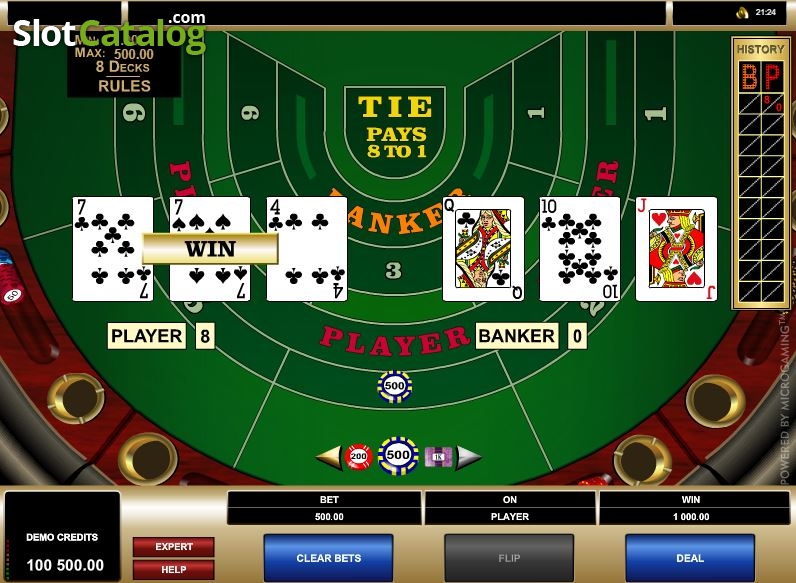
The core scoring is easy: A counts as 1, 2–9 count as their number, and 10/J/Q/K count as 0. Only the last digit of the total matters. So 7 + 8 = 15 becomes 5. Once you internalize that, baccarat becomes a calm routine rather than a mystery.
For beginners, the simplest plan is to stick to one main bet type for a session and use flat stakes. Avoid Tie bets if your goal is lower variance and fewer wild swings. Tie bets can be entertaining, but they often create emotional sessions because long gaps between ties tempt players to chase.
If you want to ‘improve’ at baccarat, improve your discipline, not your predictions. Roadmaps and histories are fun to look at, but they don’t guarantee the next result. Treat each round independently. Your long-term success is mostly determined by whether you avoid chasing and whether you stop on schedule.
Roulette
Roulette becomes overwhelming only when you try to do too much. Start with outside bets such as red/black, odd/even, or high/low. Those bets are simple to place and help you learn the countdown rhythm without misclicking small inside numbers.
Once you are comfortable with the layout, you can experiment with inside bets like splits or straight numbers. But keep one rule: if you are still learning the timer, do not place inside bets in the last seconds. Place early, confirm the highlight, and then watch the spin.
The best roulette sessions are boring in a good way. Boring means you are not reacting emotionally to each spin. If you notice yourself speeding up, increasing stakes, or adding random bets to ‘fix’ a run, pause. Sit out one spin, breathe, and return only if you can follow your plan.
Blackjack
Blackjack is the most decision-heavy live table, which makes it the hardest for beginners under a timer. In addition to betting, you may need to hit, stand, double, or split within a time window. If you are new to MG Live Grand, it is often better to master baccarat or roulette first.
When you do play blackjack, reduce complexity. Play one hand only. Use flat stakes. Skip side bets. The goal is to make each decision with enough time to act calmly. If you feel rushed, stand (or choose the simplest safe action) and review basic strategy later between sessions.
A practical learning path is to focus first on timing and UI: how the action buttons appear, how long you have to act, and how results settle. Once you are confident with the flow, then you can study basic strategy more deeply. Execution under the timer is the foundation.
Teen Patti & Andar Bahar
Teen Patti and Andar Bahar are popular in India because the rules feel familiar, but they still require the same live-casino discipline. Learn the timer, place bets early, and keep stakes flat while you build comfort. Familiarity can trick players into overconfidence—don’t let it.
Local tables often include side bets, bonus bets, or faster variants. Treat these as optional entertainment, not your core routine. If you want to use side bets, create a separate ‘side-bet cap’ for the session so you never drift into chasing.
Tips & tricks
The most reliable ‘trick’ in live studios is early betting. Place your bet when the timer is still comfortable, then stop touching the interface. Most mistakes happen because players keep adjusting chips and bet spots as the countdown ends.
Second, choose one chip size for the entire session. This is surprisingly powerful. A single chip size keeps your session consistent and prevents emotional stake changes. If you want to raise or lower stakes, do it in your next session, not mid-session.
Third, timebox your play and add mini check-ins. Every 10–15 rounds, pause and review: is your stake still comfortable, is your mood calm, and is your connection stable? These check-ins prevent autopilot betting and keep the session under control.
Bankroll
Bankroll management in live studios is about preventing chase behaviour. Set a session budget you can afford to lose, then decide your maximum session loss and stop time before you join a table. These limits create a boundary that protects you when emotions rise.
Use a stake size that supports a healthy number of rounds. If your stake is so high that a few losses make you feel urgent, reduce it. Your goal is not to ‘feel brave’; your goal is to stay calm and execute correctly. Calm execution leads to fewer errors and a better experience.
A simple template works: one table type, one flat stake, one time limit. If you want more structure, add a round limit (for example 50 rounds). When you hit your limit, stop—even if you are up or down. This keeps sessions consistent and prevents overplaying.
Mobile & streaming
Mobile play is convenient, but it magnifies timing issues. If your device is struggling, you will miss bets. Use stable Wi‑Fi when possible, keep background apps closed, and avoid switching tabs or apps during the betting window.
If you notice buffering, stop betting immediately. Reconnect between rounds or switch tables. Do not try to ‘force’ a round through a shaky stream. A single late bet can cost more than the benefit of staying at the same table.
Common mistakes
The most common mistake is treating live studios like a race. Players wait until the timer is low, then panic-click. Fix it by deciding before the timer opens and placing early. If you ever feel rushed, sit out one round and reset.
The second mistake is chasing. Chasing shows up as increasing stakes after losses, adding side bets randomly, or switching tables repeatedly to ‘find luck.’ The fix is structure: flat stakes, one table type per session, and a fixed stop time.
Fairness & safety
Live studios is designed to feel transparent: you can see the table action and the round results settle automatically. But fairness is only part of the story. The bigger issue for most players is responsible play. The stream can keep you engaged longer than planned.
Your best safety tools are boundaries. Use time limits, session budgets, and breaks. If you ever feel angry, urgent, or desperate to recover, stop. Live tables will be there later. The healthiest approach is to play for entertainment with strict limits.
Images & videos
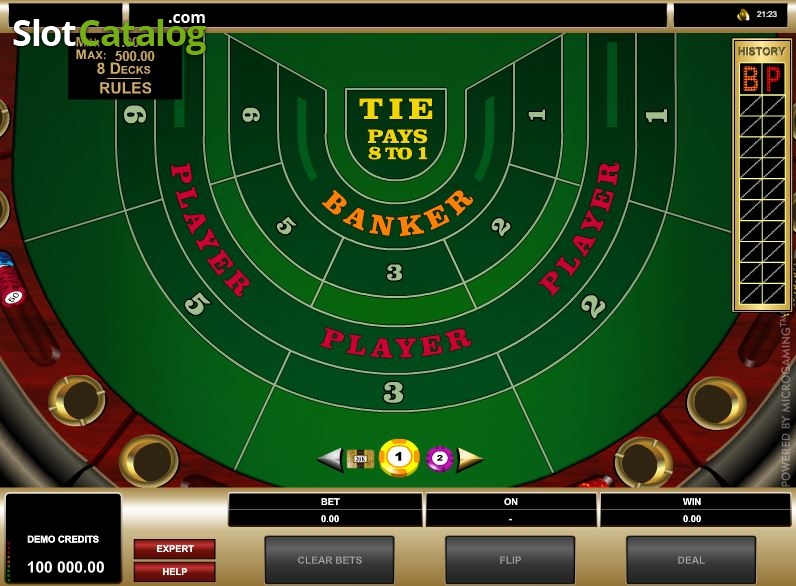
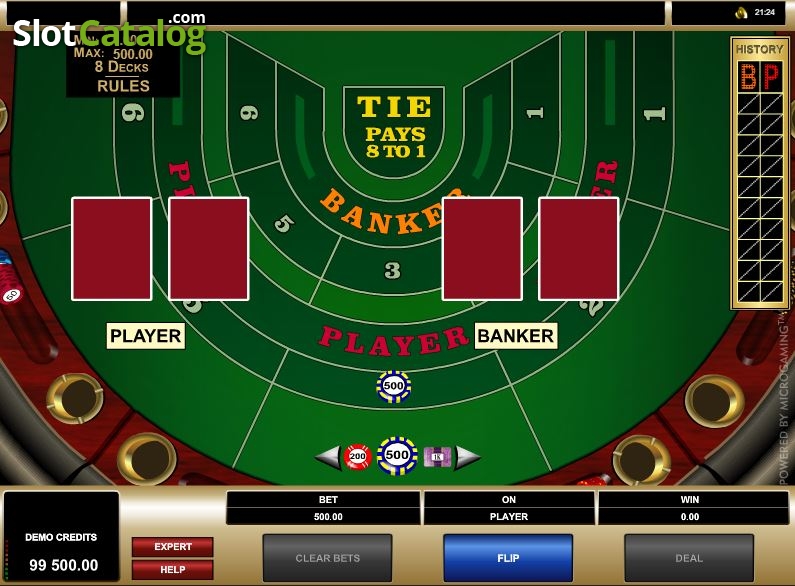
The images on this page are saved locally in the project and are included to help you recognize common live-table layouts and UI patterns. Use them to train your eyes: where the timer sits, how bet zones are arranged, and what the stream looks like when the round is active. For video-style galleries, the external demo link often provides a listing page with media content when available.
Play demo
Live studios demos are not as common as slot demos because live tables are streamed in real time. If you see a demo button, it may open an external practice page or a non-live variant. That’s still useful for learning the UI and basic round flow.
If you can’t access a true demo, create your own practice mode: watch one round without betting, then play 20 rounds at the minimum stake with flat bets. Your goal is to learn timing and avoid misclicks—not to chase profit in a practice session.