JDB Live Studios at 6 Club: how to play, understand the symbols, and win with better timing
At 6 Club, JDB Live Studios tables are popular for a simple reason: they feel straightforward. The UI tends to be clean, rounds move at a consistent pace, and most games are easy to learn if you approach them the right way. This page is a step-by-step tutorial focused on execution—how to pick a table, place bets on time, understand the on-screen symbols, and avoid the mistakes that drain your bankroll.
If you’ve ever joined a live table and felt rushed, that’s normal. Live studios is timer-driven, and the speed can punish last-second decisions. The good news is that the “skill” in live studios is mostly operational: calm bet placement, flat stakes, and the discipline to stop when you said you would. Get those right and the experience becomes smoother, more enjoyable, and more controlled.
What this guide covers
You’ll learn how the live round flow works, what the key UI symbols mean (timer, chips, rebet, confirm, undo), and how to approach popular tables with a clean bankroll plan. There’s also a demo section—when a real demo is available, you’ll see a playable widget. If not, you’ll get a safe practice workflow.


Provider
JDB Live Studios
Live-style tables and card games commonly found in Asian-facing lobbies.
Best For
Card games + fast tables
Great if you like clear UI and quick round pacing.
Play Style
Timer + confirmation
Most tables use a betting countdown; place bets early and confirm before the timer closes.
Skill Factor
Low–Medium
Execution matters (timing, bet selection). Some games add decision points.
Demo Availability
Depends on the title
Some JDB titles have a free demo widget; some live tables do not offer true free play.
Devices
Mobile + Desktop
Stable internet helps avoid missed-bet errors at the countdown.
Overview: what “JDB Live Studios” means for players
“Live studios” is best understood as a round-based experience built around visible outcomes and a fixed timer. Sometimes that visibility is literal (a live video feed of a dealer or wheel). Other times it’s a table-game style UI where cards or results are displayed clearly and the round resolves in a predictable sequence. In both cases, the player experience is similar: you place bets within a time window, the round resolves, and the platform settles your win or loss.
JDB Live Studios tables are usually chosen by players who want a simple interface and game types that match regional preferences. In many Asian-facing lobbies, that can include classic casino staples (roulette, blackjack, baccarat) as well as card games that feel familiar. Availability is always operator-dependent: your lobby can add or remove tables over time.
The most important concept to internalize is that your “edge” is not a secret bet system. Your edge is avoiding mistakes. In live-style play, the mistakes are obvious: betting too late, clicking the wrong spot, changing bets in the final seconds, or overplaying when emotions rise. This guide is designed to remove those mistakes and give you a stable routine.
The round flow (learn this once)
When you understand the round flow, you stop reacting and start controlling your bets. Most JDB live tables follow this structure.
Beginner rule
Watch one full round before placing your first bet. Observation is free, and it teaches you where the confirm/undo controls sit and how long the timer feels on your device.
How live studios works (the parts that matter)
The “live” feeling comes from structure: there is a clear betting window, a clear resolution moment, and a clear settlement. Even if a specific table is not filmed with a dealer, the gameplay loop still behaves like a live table.
That means there are only a few things you must master:
Your bet must be placed (and sometimes confirmed) before the timer closes. The easiest improvement you can make is simply betting earlier.
Learn what each button does: undo, clear, rebet, confirm. Most bankroll damage in live studios comes from misclicks, not bad luck.
Pick a table where the minimum bet feels safe. If you’re tense, your inputs get sloppy. Low limits are the fastest teacher.
Live sessions can run long because the pacing feels smooth. Timeboxing is essential: choose a round limit or a time limit.
Notice how none of those are “prediction” tips. Live studios doesn’t reward prediction myths. It rewards clean execution.
How to start JDB Live Studios at 6 Club (step-by-step)
This workflow works for almost any live studios provider, but it’s especially helpful on fast tables where the timer feels tight.
- Open Live Studios and locate the JDB Live Studios section or tables.
- Choose one game type for the entire session. Don’t switch between roulette and card games every few minutes.
- Check limits and select a table where the minimum bet is comfortable.
- Watch one round without betting. Identify the confirm/undo buttons and how the timer behaves.
- Place bets early. Try to finish placing bets with more than 5 seconds remaining.
- Repeat with flat stakes. Keep one chip size, one table type, one plan.
If you follow that sequence, your session becomes stable. You’re no longer “racing the timer.” You’re using the timer.
Table selection: the checklist that prevents bad sessions
Most “live studios mistakes” start before you even place a bet. Players join a table that feels too fast, too expensive, or too unstable—and then they blame luck. A better approach is to treat table selection like choosing a seat on a flight: you want comfort, stability, and a clear exit plan.
Use this checklist every time you open a JDB live table. It takes 20 seconds and saves you from hours of tilted play.
The 6-point table checklist
- Limits: the minimum bet must feel easy, not brave.
- Timer: you should be able to place a bet calmly without rushing.
- UI clarity: chips, undo, rebet, and confirm controls must be obvious on your device.
- Stability: if the stream/UI stutters, skip the table—timing errors are expensive.
- Side bets: if the table pushes many side bets, avoid them until you’re comfortable.
- Mood check: if you feel rushed or annoyed, watch a round first.
If a table fails any two checklist points, it’s not your table today. Switch between rounds. The goal is not to find a “lucky” table—it’s to find a table you can execute cleanly.
The calm-session triangle
A good table supports all three: comfort, clarity, and control.
Quick action
If you’re not sure which table to start with, choose the lowest-limit option and treat the first session as practice. Your goal is to finish each bet with time to spare.
Symbols and UI controls (the real “beginner strategy”)
In live studios, knowing the symbols is more important than memorizing myths. When you understand the controls, you avoid expensive mistakes. This section explains the common symbols you’ll see across JDB-style tables.
Think of these as your “pilot checklist.” Before you scale stakes, make sure you can reliably: select a chip, place a bet, undo a mistake, confirm the bet, and avoid late changes.
Where: Top bar / bet panel
Meaning: Shows how long you have to place and confirm bets before the round locks.
Pro tip: Treat the final 5 seconds as ‘hands off’. Place bets earlier and avoid last-second changes.
Where: Bet panel
Meaning: Selects your stake size for the next tap/click on a betting area.
Pro tip: Pick one chip size for the whole session. Flat stakes reduce stress and misclicks.
Where: Table layout
Meaning: Shows which area you have selected (e.g., Player/Banker, Red/Black, Ante/Side).
Pro tip: Use highlights to double-check you’re betting the intended market before confirming.
Where: Bet controls
Meaning: Removes the last chip placement (undo) or clears all current round bets (clear).
Pro tip: Undo is safer than trying to place an ‘opposite’ bet to correct a mistake.
Where: Bet controls
Meaning: Re-applies your previous round bet pattern.
Pro tip: Only use rebet if your last round was calm and correct. Don’t rebet after a rushed round.
Where: Bet controls
Meaning: Finalizes your bet(s) for the round (some tables require confirmation).
Pro tip: Confirm early. If you confirm late and the network stutters, the bet may not register.
Where: Side panel
Meaning: Shows prior outcomes (useful for tracking results, not for predicting).
Pro tip: Use history only to verify what happened. Avoid turning it into a ‘pattern chase’ tool.
Where: Top/side controls
Meaning: Opens chat or mutes audio. Some tables include a host or dealer sound.
Pro tip: Mute can improve focus if audio makes you rush decisions.
Where: Info tooltip
Meaning: Minimum/maximum bet sizes and sometimes side-bet limits.
Pro tip: If the minimum bet makes you nervous, switch to a lower-limit table before you start.
Fast self-test
If you can’t explain what undo, rebet, and confirm do, treat your next session as practice and keep stakes minimal. Once you can use those controls without thinking, you’re ready to play more confidently.
Common JDB Live Studios games (what to expect)
Your live studios lobby can include different games depending on region. The safest way to think about it is by category:
Place chips on a layout (red/black, odd/even, numbers). Best for learning the timer because decisions are simple.
You make action decisions (hit/stand/double). Best when you enjoy decision-making and can stay calm under the timer.
Minimal decisions: Player/Banker/Tie. Often the easiest “execution game” for beginners.
Teen Patti and similar formats feel familiar and fast. The key is learning bet types and not overusing side bets.
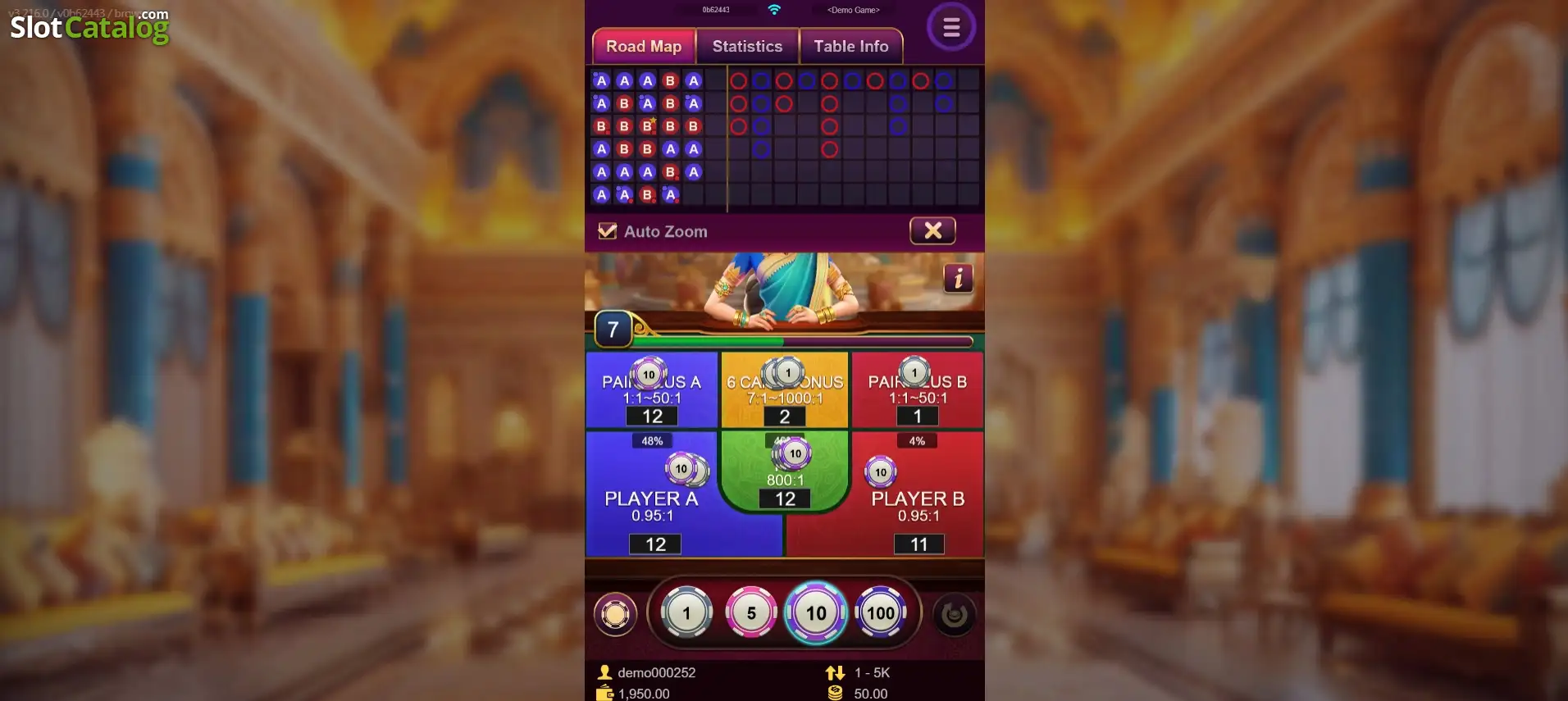
Below you’ll find practical, game-by-game tutorials. If you’re brand new, start with roulette or baccarat to learn the timer rhythm, then move to blackjack when you’re comfortable taking actions under pressure. We also cover Andar Bahar and a specific JDB card game listing (Teen Patti 20-20) with screenshots and a demo widget to help you practice.
Live roulette: the simplest way to master timing
Roulette is one of the best training grounds for live studios because it has low “decision friction.” You don’t have to choose actions like hit/stand—your job is simply to place chips in the right spot before the countdown ends. That makes roulette perfect for learning the controls, avoiding misclicks, and building a calm, repeatable routine.
How a roulette round typically flows
- Betting window opens and the countdown starts.
- You select a chip value and click/tap betting areas on the layout.
- Bets lock at timer end (and sometimes require confirmation).
- The wheel or result resolves; the winning number and color are displayed.
- Payouts settle automatically and your balance updates.
Beginner-friendly bets (outside)
Outside bets are the easiest to execute: red/black, odd/even, high/low, and dozens/columns. They’re quick to place and easy to verify at a glance.
Advanced bets (inside)
Inside bets target specific numbers or small groups (straight, split, street, corner). They can be fun, but they’re also easier to misclick—especially on mobile.
Practical tip: if you’re learning, choose one outside bet and repeat it for 20 rounds. This builds muscle memory for the UI without constantly searching the layout.
Roulette discipline rule
Don’t increase your stake because you’re “due.” If you want to raise stakes, do it only after a scheduled break (for example: after 20 rounds, re-evaluate, then decide).
Baccarat: low decision load, high consistency
Baccarat is popular in live studioss because it’s easy to execute. In most formats you’re not making tactical actions mid-hand. You choose a side (commonly Player or Banker) and let the round resolve. That makes baccarat an excellent “calm table” when your goal is a steady pace and minimal button-press risk.
How to play baccarat (in a practical way)
- Join the table and read the limits / rule card once.
- Select your chip size.
- Place your main bet (Player or Banker; Tie is usually higher variance).
- Confirm early if needed, then let the deal resolve.
- After settlement, decide whether you will play the next round—don’t autopilot.
Less clicking, less stress. You can spend your attention on the timer and UI accuracy rather than complex decision trees.
Streak chasing. Roadmaps and history charts can make patterns feel meaningful. Treat them as record-keeping, not prediction.
If you want a simple, disciplined baccarat approach: choose one side, keep the stake fixed, and take breaks on a schedule. That’s enough structure for a clean session.
Blackjack: the live game where decisions matter
Blackjack is the most “skill-like” common live table because you make action decisions. That doesn’t mean you can control outcomes—it means your choices affect how often you win and how volatile the session feels. The catch is that live blackjack is also where players make the most costly mistakes under a timer.
How to avoid timer mistakes in blackjack
Use one hand only
Multi-hand play increases the chance of wrong actions, missed buttons, and rushed decisions. One hand keeps the UI simple.
Pre-decide your action
When your cards arrive, your job is to decide once and click once. Avoid hovering over buttons until the final seconds.
For strategy, the safest advice is simple: follow basic strategy charts. You don’t need to memorize everything to benefit. Even learning a few core rules can reduce “panic hits” and “panic stands.”
Basic strategy mindset (beginner version)
Treat each hand as a fresh decision based on your total and the dealer’s up-card. Do not change strategy because you won or lost the last hand. Blackjack is a long-run game; your job is to make repeatable, calm decisions.
If you notice your heart rate rising or you start clicking fast, switch to baccarat or roulette for a while. That’s not “giving up”—it’s choosing a game that matches your current state.
Andar Bahar: simple bets, fast rhythm
Andar Bahar is a popular local format because it’s easy to understand. A key card is revealed, then cards are dealt one-by-one to two sides (Andar and Bahar) until a matching rank appears. Your main decision is choosing which side will hit the match first.
How to play (clean workflow)
- Watch one round to understand pace and side-bet prompts.
- Select your chip size.
- Place your main bet (Andar or Bahar) before the window closes.
- Skip side bets until you’re fully comfortable with the timer and layout.
- Let the dealing finish; do not click rapidly mid-round.
One main bet, clear resolution, and a steady rhythm. It’s a good “learn the timer” table for many players.
Side bets and variants. They can increase volatility and distract you. Keep it simple until you have a routine.
The right Andar Bahar mindset is the same as every live table: one stake size, one plan, and no chasing. The game’s speed can tempt you into rapid repeat bets. Use your planned breaks to avoid autopilot.
Teen Patti 20-20 (JDB): how to play, bet types, and practical tips
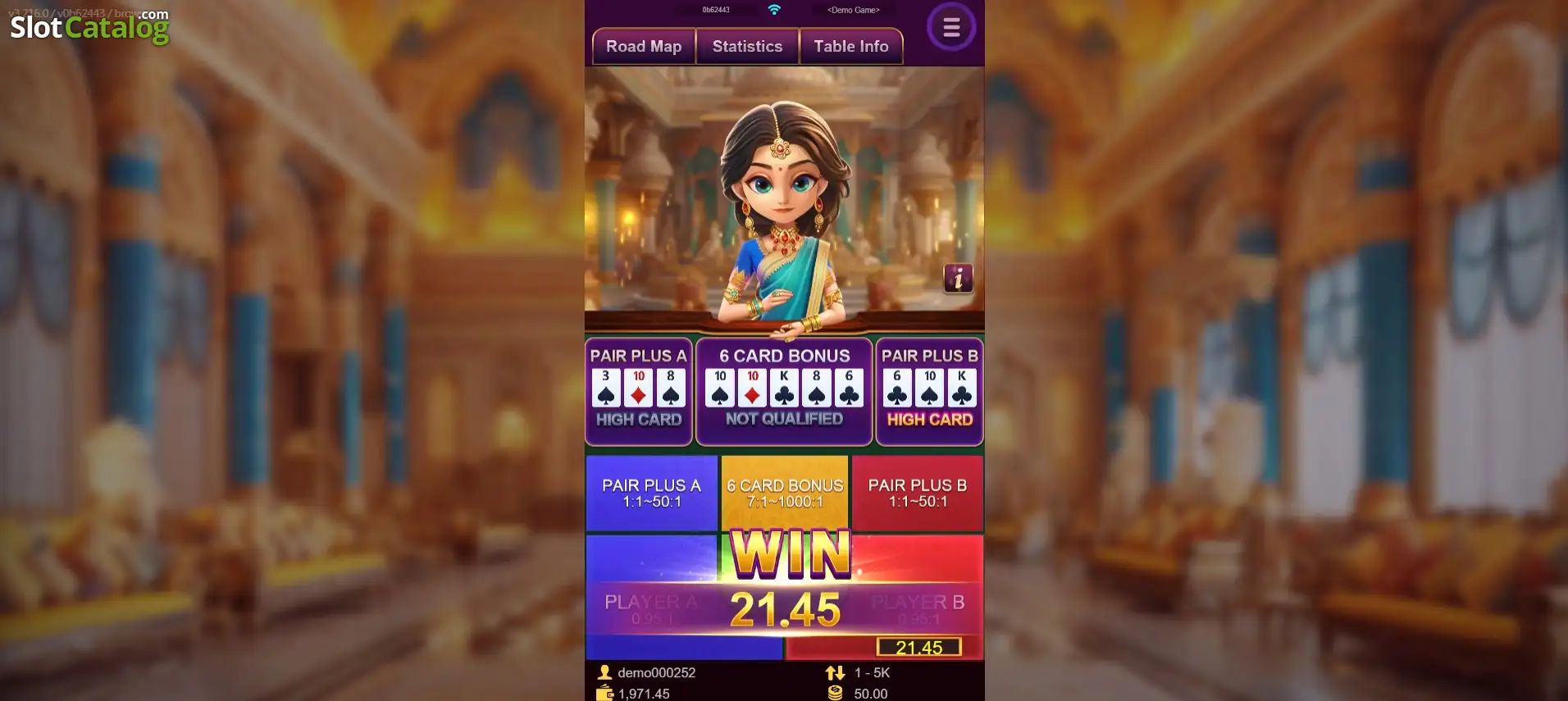
Teen Patti is a card game format many players recognize immediately. Teen Patti 20-20 (JDB) is presented as a digital table-game experience: you place the appropriate bets before the window closes, the cards resolve the round, and payouts settle based on the rules of the table.
The best way to approach Teen Patti as a beginner is not to memorize every edge case. It’s to focus on what you can control: a comfortable stake size, clear understanding of the bet you are placing, and a fixed session limit.
Step-by-step play
- Select your stake using the chip selector.
- Choose a bet type (main bet first; consider side bets only after you understand the base flow).
- Confirm early if confirmation is required.
- Watch the cards resolve. Let the round complete; avoid rapid clicking mid-animation.
- Review outcome, then decide calmly whether you will play the next round.
“Symbols” in Teen Patti (what matters)
In card games, the “symbols” are the card ranks and suits plus the UI markers that show which bet is active. The cards represent hand strength, while the UI markers represent your intent. As a beginner, spend more attention on intent than on prediction.
A good habit is to do a quick two-second scan before confirming: chip size → bet spot highlight → timer. That scan catches most expensive errors.

Beginner tip
Use the first 20–30 rounds as training reps. Keep stake size small, and focus on clean bet placement. If you can place bets early every round, you’re improving faster than any “system” could.
Tips and tricks for JDB Live Studios (no myths, just execution)
The highest-value “tips” in live studios are boring—but they work. They make your play consistent, reduce errors, and keep your session under control.
Make early betting your default behavior. If you routinely bet with only a few seconds remaining, you will experience missed confirmations and wrong spots.
One chip size for the whole session. Flat stakes keep your mind calm and reduce the urge to “recover” after a loss.
Side bets increase variance and distract you under the timer. If you want side bets, pre-allocate a small side-bet budget and never expand it mid-session.
Switching games resets your rhythm. Choose roulette, baccarat, blackjack, or a card game and stick to it for the session.
A practical “upgrade” you can apply after you master the basics is controlled table switching: you only switch tables between rounds and only when there’s a clear reason (limits, stability, or table pace). Switching because you lost is just a disguised chase.
Bankroll: a simple plan that fits live tables
Live studios is immersive. That’s the point. The downside is that it can keep you playing longer than you planned. The fix is a structure you can remember.
Use the “Budget + Stake + Stop” template
- Budget: what you can afford to lose this session.
- Stake: one chip size that allows many rounds (not just a few).
- Stop: a time limit or round limit you will honor.
This template matters because it protects you from the most common live studios failure mode: you start low, lose a few rounds, then increase the stake because you want to “make it back.” That is not strategy; that is emotion plus variance.
If you want a concrete beginner target, aim for a stake size that lets you play at least 40 rounds within your budget. If the minimum bet is too high to support that, choose a different table.
Mobile and streaming tips (avoid lag-driven mistakes)
Live studios relies on timing. If your network is unstable, late confirmations are more likely. The solution is a combination of technical habits and gameplay habits.
Technical habits
- Prefer stable Wi‑Fi when possible.
- Close heavy background apps to reduce device lag.
- Keep the phone charged; low power modes can reduce performance.
- Avoid switching apps during the bet timer.
Gameplay habits
- Finish bets early; don’t use the final seconds.
- Use simpler bet layouts if your device struggles.
- If the stream buffers, skip the round instead of panic-betting.
- Switch tables between rounds if stability is consistently poor.
Common mistakes (and how to fix them immediately)
These mistakes show up across every live studios provider. Fixing them is the fastest way to improve your experience on JDB tables.
Fix: flat stakes and a hard stop rule. If you feel tilted, stop the session.
Fix: commit early. Use undo/clear instead of frantic last-second edits.
Fix: set a side-bet cap or skip them entirely until you’re comfortable.
Fix: one game type per session; switch only for limits or stability.
Fairness and safety: what to check before you trust a table
Live studios feels more “real” because you can see the round structure and outcomes clearly. But fairness is still about process: reputable tables have clear rules, consistent settlement, and transparent limits. You don’t need to be an expert to protect yourself—just focus on a few checks.
Read the rule card once
Look for: bet types, payout notes, side-bet limits, and timing rules. The rule card answers most “why did that happen?” moments.
Confirm limits and currency
Make sure minimum and maximum bets match your plan. Many mistakes are simply playing a table that is too expensive for your budget.
Use history for verification
History is useful to confirm what happened last round (especially after a disconnect). It is not a prediction tool.
Protect your session
Decide a stop time and stop budget before you start. Live tables are designed to be engaging; structure keeps them enjoyable.
If anything feels unclear—rules, limits, UI, or stability—switch tables. A “good” live table is one you can understand instantly.
Troubleshooting: fixes for the most common live-table issues
Live studios problems are usually technical or timing-related. The key principle is safety: if the stream buffers or the UI becomes unresponsive, skip the round instead of panic-clicking. Most losses from “issues” come from rushed inputs.
Pause betting. Refresh the table between rounds, lower quality if available, or switch to a more stable network.
Don’t spam clicks. Clear the bet panel, wait for the next round, then try again. If it repeats, switch tables.
Treat it as a lesson in timing: place and confirm earlier. Network delay makes last-second confirmations unreliable.
Mute. A calmer environment leads to better decisions and fewer rushed bets.
If you disconnect mid-round, don’t guess what happened. Re-open the table and check the history/outcome panel first, then continue only if you feel confident.
Images and videos
Use images to recognize layouts and UI controls, and use videos to learn timing and decision flow. These tutorials apply to most live studios interfaces, including JDB-style tables.
Video: Roulette tutorial (timing and bet placement)
Video: Blackjack tutorial (actions under a timer)
Video: Baccarat tutorial (simple round rhythm)
Play demo: practice before you play real
Demo mode is ideal when it exists: you can learn UI timing, bet placement, and the round flow without risking funds. Some JDB titles provide demo widgets. If you have an operator-hosted demo URL, this page can embed it via environment variable. Otherwise, we embed a widely used demo widget for a JDB card title.
Teen Patti 20-20 demo widget
This demo is loaded via a third-party widget. If it does not load in your browser due to network restrictions, use the external demo link below.
How to use demo time effectively
- Spend 10 rounds learning where confirm/undo are located.
- Spend 10 rounds practicing early bet placement (finish with 5+ seconds remaining).
- Spend 10 rounds keeping one stake size and resisting changes.
- Only after that, consider adding side bets—and keep them small.
Two-button workflow
Use demo when you’re learning. Use real play when you can place bets calmly and consistently.
If demo is unavailable
The safest substitute is low-stake practice: pick the minimum bet and treat the first 30–50 rounds as learning reps. The skill you’re building is timing.
JDB Live Studios FAQs
Quick answers about demos, symbols, timers, and beginner-friendly play.
What is JDB Live Studios at 6 Club?+
Is there a free demo for JDB Live Studios games?+
What’s the easiest JDB live game for beginners?+
Why do my bets sometimes fail to place?+
Do ‘streaks’ matter in live studios?+
What does ‘rebet’ mean?+
How should I manage bankroll for live studios?+
Is Teen Patti 20-20 a live dealer game?+
What does the ‘Confirm’ button do?+
Should I use side bets in JDB live games?+
How do I choose the best table limits?+
What should I do if the demo widget doesn’t load?+
What happens if I disconnect mid-round?+
Next step
If you want the full category overview (table types, etiquette, bankroll tips, and streaming best practices), start with the Live Studios hub.