Fishing • Spirit Tide Legend
Spirit Tide Legend: a complete how-to tutorial for controlled shots, weapon windows, and boss discipline
At 6 Club, Spirit Tide Legend plays like a real-time underwater hunt: you control a cannon, every shot costs money, and captures pay back as multipliers. The fun is the precision—leading targets, choosing windows, and turning a dense wave into value. The risk is also the precision: you can spend very fast if you spray bullets, chase mythical creatures without a cap, or treat every event as mandatory. This 3000+ word guide is written to make the game feel calmer and more systematic.
SEO note: this page is intentionally long so it can rank for “Spirit Tide Legend how to play”, “Spirit Tide Legend tips”, “Spirit Tide Legend demo”, and “Spirit Tide Legend fishing strategy”.
Focus of this guide
Control first, power second
Lane + caps + planned windows.
Base rule
Value lane
Shoot clean crossings.
Protection
Caps
Shots + time caps.
Power
Windows
Only at density.
Exit
Schedule
Timer + budget.

Overview: what Spirit Tide Legend is (in plain language)
Spirit Tide Legend is a continuous fishing shooter: you pay per shot, targets move in real time, and successful captures pay multipliers. That continuous format is what makes the game exciting, but it’s also what makes it risky. In a normal slot, you spend one bet per spin and you have a natural pause. In a fishing arcade, you can spend hundreds of shots in a minute if you hold the trigger.
The solution is structure. This guide does not try to promise a guaranteed path to profit. Instead, it gives you a repeatable decision loop that protects you from the most common loss patterns: spraying bullets during thin waves, increasing stake level during hype, and chasing a single stubborn boss without a stopping rule.
The one-page mental model
If you ever feel lost, return to this loop: farm stable targets in a value lane, take one planned power window, reset back to baseline, and exit on schedule.
Who this is for
Players who want a calmer, more disciplined way to play: fewer random shots, more deliberate bursts, and a clear exit plan.
What you’ll learn
How to pace shots, pick targets, time power tools, handle bosses without chasing, and play multiplayer with lane discipline.
What we won’t do
We don’t promise guaranteed wins. This is a real-money gaming experience; variance exists. The goal is better decisions and lower waste.
Quick Facts (from listing data)
These facts are based on the Spirit Tide Legend listing data available publicly. Operators may tweak limits, room structure, or UI details, so always confirm the in-game settings on your device.
Provider
JDB
Listed on SlotCatalog as a JDB title.
Release
2025-10-08
SlotCatalog lists 2025-10-08 as the release date (operators may publish later).
Max Win
x10000
High variance by design; big outcomes are not frequent.
RTP
N/A
Fishing/shooting arcades are continuous and decision-heavy; many listings omit RTP.
Bet Range
$0.01 – $10 per shot
As listed on SlotCatalog; your in-game limits can vary by operator/region.
Technology
HTML5
SlotCatalog lists JS/HTML5.
Source reference: SlotCatalog Spirit Tide Legend page.
Start on 6 Club: a beginner-friendly setup
Your first goal is not to hunt dragons or phoenixes. Your first goal is to build control: calm aim, stable spend rate, and a reliable stop rule. If you can do those, your results will improve naturally over time.
Open Spirit Tide Legend from Fishing
Go to Our Games → Fishing and choose Spirit Tide Legend. This page is the long-form tutorial behind the tile: you can read first, then use the demo-status section to check availability, and only then switch to real play with a clear plan.
Set two caps before you fire (time + budget)
Fishing games don’t have rounds. The screen keeps moving, which makes overspending easy. Before your first shot, set a session timer (for example 20–30 minutes) and a hard budget (an amount you can lose comfortably). If either cap is reached, you stop—even if a boss just appeared.
Pick a low stake level for learning
The most important setting is your cost-per-shot. Higher levels don’t just increase risk; they reduce your learning time because each mistake costs more. Start low, build lane discipline and shot caps, then move up only when you can follow your rules without emotion.
Manual bursts first, automation later
If your build includes auto-fire or aim/lock helpers, don’t start with them. Manual bursts teach the core skill: knowing when not to shoot. Once you can consistently pause during thin waves, you can use auto as a short tool during dense waves.
Choose a ‘value lane’
A value lane is the region where targets stay visible the longest—usually the middle third of the screen. Most of your shots should happen there. The lane rule cuts waste because it reduces edge shots (bullets spent on targets that leave immediately).
Plan one power window per session
Spirit Tide Legend is marketed around intense ‘power moments’ (special weapons, chain effects, and high-value mythical targets). The winning habit is to schedule one power window: you decide when you’ll press for a big event, you set a cap (shots or time), and you return to calm farming afterward.
Quick reminder
If you ever break your rules (raise stake in emotion, chase a boss beyond your cap), treat it like a learning signal. The fix is not “try harder” mid-session; the fix is to reset: downshift, return to farming, and end on schedule.
Controls & UI: the parts that matter
Different operators can skin fishing games differently, but the core controls are consistent. When you understand what each control does to your spend rate and shot quality, you stop feeling like the game is “random” and start feeling like it’s a series of deliberate decisions.
Cost-per-shot is your real difficulty slider
In a fishing shooter, every bullet is a wager. That’s why the stake level changes everything: it controls how quickly you can lose money while learning. If you take nothing else from this guide, take this: control the stake first, then think about aim and weapons.
Aim, lead, and the ‘crossing time’ rule
The main aiming skill is not raw accuracy; it’s predicting where a target will be while your burst is in the air. A simple rule: only fire when a target will remain on-screen long enough for your burst to land. Crossings through the center lane have the longest ‘crossing time’, which is why lane discipline works.
Burst sizes (why 6–18 shots is a useful range)
A burst is a small packet of shots you commit before you reassess. In many fishing games, bursts in the 6–18 shot range are a sweet spot for learning: big enough to feel meaningful, small enough to stop yourself quickly when the angle is bad. Your exact number depends on stake level and comfort; the principle is what matters: commit briefly, then re-check the board.
Shot caps: the anti-chase mechanism
A shot cap is a rule like “I’ll spend at most 30 shots on this target.” Caps are how disciplined players avoid the classic trap: “it’s almost dead, just a few more.” In high-variance games, ‘almost’ can be endless. Caps turn emotional chasing into a controlled attempt.
The board has phases (thin, normal, dense)
Treat the match as repeating phases: thin (few targets), normal (steady crossings), dense (clusters). You should spend the least during thin phases and the most during dense phases. Most losing sessions happen because players spend the same amount in all phases, which means they overpay during thin waves.
What ‘skill-based’ really means here
Spirit Tide Legend rewards skill in efficiency: better aim wastes fewer shots, better timing turns weapon effects into multi-target value, and better discipline prevents runaway spending. But captures and boss events still include randomness. Skill improves your long-run shape; it does not guarantee any one capture.
SVG guide: shot cap ladder
Use caps that match target difficulty. Small targets deserve small caps. Medium targets can take a bit more. Bosses should usually be capped by time windows to prevent frantic chasing.
Weapons & Power Windows (how to use them without overspending)
Spirit Tide Legend is often described with big, exciting weapon language. In practice, weapons are simply spend accelerators. They can convert a good moment into a great moment, but they can also convert a bad moment into a fast loss. This section teaches a single rule that works across almost every fishing shooter: only use power when density is high and your cap is set.
Baseline cannon (your default tool)
Treat the standard cannon as your main weapon. The goal is consistency: small bursts on clean lane crossings, quick resets, and a stable spend rate. If you can’t profit or at least control spend with the baseline cannon, special weapons won’t save you—they’ll just make you spend faster.
Area effects (bombs, nets, or explosions)
Many fishing games include area-of-effect tools that damage or capture multiple targets. The correct timing is simple: use them only when the board is dense enough that the effect hits several meaningful targets. Using a bomb on a thin wave is paying a premium to hit almost nothing.
Chain effects (link, lightning, chain hits)
Chain effects are best when you set them up: you wait for a cluster, then you trigger a chain so that one capture cascades into several. The mistake is trying to chain a single target in open water. In that scenario, even if you win, the opportunity cost is huge.
Laser-style focus (single-target burn)
If your build includes a beam/laser tool, treat it as a short single-target burn window. Use it when a high-value target is on a long, predictable crossing (center lane, slow speed, clear screen). Avoid using it when the board is chaotic or when you don’t have a shot cap—laser tools can produce the strongest ‘keep going’ temptation.
Power windows: how to time them
A power window has three parts: (1) pre-check (Is the board dense? Is your cap set?), (2) commit (spend your planned shots/time), and (3) reset (drop back to baseline play). If you skip the reset, every window becomes a lifestyle—and your bankroll becomes the fuel.
A practical rule of thumb
If you cannot explain what your power tool will hit besides the main target, you should probably wait. The best power windows are the ones where you can point at a dense area and say: “This will affect multiple meaningful targets.”
Symbols & Targets: what to shoot, what to skip
In slot language, “symbols” usually means icons on reels. In fishing games, symbols are target types. The exact creature list can vary by build, but the decision logic does not. This table groups targets into practical categories so you can decide quickly without memorizing a huge list.
| Symbol / Target | What it usually means | When to shoot |
|---|---|---|
| Small fish (common swimmers) | Low-value, high-frequency targets that help you practice aim, build rhythm, and smooth your spend rate. | Use as warm-up targets and to stabilize your session. Shoot in short bursts when they cross your value lane. |
| Medium fish (thicker bodies / slower turns) | Often the best balance between effort and reward. These targets teach you disciplined bursts without requiring a long chase. | Primary farming targets. If you need to recover composure, go back to these and re-establish lane control. |
| Fast movers (thin bodies, quick exits) | Harder targets that can drain bullets through miss rate and short crossing time. | Only when the angle is perfect (long crossing) or when an effect will hit multiple fast movers at once. |
| Armored / tanky targets (turtles, crabs, heavy creatures) | Higher durability targets that encourage overspending and tunnel vision. | Use strict caps. If the target doesn’t pay within your cap, stop and rotate. |
| Special-effect targets (bomb, freeze, shock, chain triggers) | Captures that do something to the board: splash damage, stun/freeze, or chain hits. Their value depends on density. | Shoot them when the board is dense so the effect converts into extra captures. |
| Mythical creatures (phoenix/dragon-style bosses) | High variance ‘event’ targets designed to create big moments. They are not mandatory, and chasing is expensive. | Only inside a planned boss window with a hard cap and a clean exit rule. |
| Treasure/coin cues (bonus indicators) | Signals that a payout or multiplier moment may be possible—often tempting players to increase stakes impulsively. | Treat as a reminder to check your plan. Don’t increase stake without also increasing discipline. |
Beginner priority
Mid targets in your value lane. You’re training control and building a stable spend rate.
Intermediate priority
Special-effect targets when the board is dense. You’re learning timing and conversion value.
High-variance priority
Mythical bosses only in a time-capped window. You’re intentionally accepting swings.
Core Strategy: a calm method that scales
Most players lose in fishing games for one simple reason: they treat firing as the default action. The disciplined method flips that. Waiting becomes normal. Shooting becomes a deliberate decision. When you make that shift, you immediately reduce waste, which is the biggest lever you control.
Default stance: don’t shoot
This sounds counterintuitive, but it’s the foundation. In Spirit Tide Legend, constant fire means constant spending. Your default stance should be waiting for a high-quality crossing (center lane, clear angle), then firing a controlled burst.
Lane discipline beats hero shots
Pick a lane and treat it like your home. When you chase targets to the edges, you often shoot at targets with low remaining screen time. Lane discipline increases your effective hit rate because your shots land while targets are still on-screen.
Apply shot caps to everything (especially bosses)
For each target, decide your maximum spend. If you hit the cap and there’s no capture, you stop. Caps are what keep your session stable even when the game tries to pull you into “just a bit more.”
Use power tools only on density
Special weapons are not for proving bravery; they’re for converting density into value. If the board is thin, your best move is patience. If it’s dense, your best move is a planned power window.
Rotate targets to avoid tunnel vision
If a target absorbs too much fire, rotate to a fresh target rather than doubling down. Rotation is not giving up; it’s protecting your spend rate. In high-variance mechanics, spreading attempts is often healthier than obsessing over one stubborn target.
Exit on schedule
Your timer and budget caps matter more than any one moment. If your cap ends right after a big win, that’s perfect: lock the session. If your cap ends right before a boss, that’s also perfect: you’re avoiding the most common chase trap.
“Batch by batch” checklist
Think of your session as batches: (1) 3–5 minutes to warm up on mid targets, (2) one planned power window, (3) 3–5 minutes of reset farming, (4) stop on schedule. You’re not supposed to be in “attack mode” the entire time.
Advanced Tips: efficiency upgrades (without extra risk)
Advanced play in Spirit Tide Legend is not about being more aggressive. It’s about getting the same excitement with less waste. These tips focus on spend control, timing, and emotional stability—because those are the skills that survive high variance.
Use a two-mode session: Farm mode + Window mode
Farm mode is low-stake, controlled bursts on mid targets in your lane. Window mode is a pre-planned attempt at a feature/boss with a cap. Switching modes intentionally makes the game feel predictable and prevents the ‘always attacking’ mindset.
Downshift after intensity
After a boss attempt or an exciting chain event, immediately downshift: reduce stake level or reduce firing frequency for 1–2 minutes. This cool-down prevents the common mistake of overspending in the emotional afterglow.
Spend rate matters more than single outcomes
Track a simple metric: how many shots you fire per minute. If your spend rate doubles during hype moments, you’re leaking money regardless of how good your aim is. Your goal is a stable spend rate and planned spikes.
Prefer ‘clean crossings’ over ‘crowded corners’
Corners can look crowded, but targets often enter/exit quickly and your angles are awkward. Clean center crossings are boring—but boring is efficient. If you want to improve results, embrace boring shots.
Use effects as multipliers, not as excuses
An effect that can hit multiple targets is a multiplier on your decision. But it doesn’t justify firing nonstop for minutes. Use it, capture what you can, then return to baseline play.
Boss windows: cap by time, not just shots
A time cap (e.g., 20 seconds) is sometimes better than a shot cap because it prevents frantic button mashing. Decide your boss window length in advance, commit, and stop when the timer ends.
Practice Drills (the fastest way to get better)
Drills sound boring, but they compress learning. Instead of playing on autopilot for an hour and repeating the same mistakes, drills force the specific habits that make fishing games feel manageable: patience, caps, lane control, and cool-down after events.
The 10-burst drill (accuracy first)
For 5 minutes, only take 10 bursts total. Each burst should be aimed at a clean crossing in your lane. This drill forces patience and improves leading.
The cap drill (discipline under temptation)
Pick three medium targets in a row and apply the same cap (for example 20 shots). No exceptions. The goal is to build muscle memory around stopping.
The density-only drill (timing power tools)
For one session, you may only use any special weapon or big burst when the screen is dense. If it’s thin or normal, you must return to baseline bursts. You’ll feel how much waste happens when tools are used at the wrong time.
The lane ownership drill (multiplayer ready)
Choose left, center, or right and keep 80% of your shots in that lane for 10 minutes. This teaches calm play on shared screens and reduces chaotic chasing.
The cool-down drill (post-event control)
After any intense moment (boss, chain, big payout), impose a 60-second cool-down: no stake increases and only small bursts on mid targets. This is one of the best habits for long-term control.
Multiplayer: calm tactics on shared screens
Multiplayer fishing is not just “more targets.” It’s a different psychology. You see other cannons firing and you feel pressure to keep up. But “keeping up” is usually the worst idea, because it turns your session into an arms race.
Lane claims reduce conflict
On shared screens, multiple cannons compete for the same targets. If you chase across the entire board, you’ll often fire into targets other players are already softening, which can create emotional over-spending. Claim a lane and treat it as your territory.
Let other cannons clear clutter
In multiplayer, you don’t need to shoot constantly. When other players are firing, they often remove low-value clutter. You can wait for a clean high-quality crossing or for a special-effect target to appear and then take a controlled attempt.
Avoid ‘arms races’
A common multiplayer mistake is to match other players’ intensity. If others raise stake levels and spray bullets, it doesn’t mean you should. Your only job is to follow your plan and keep your spend rate stable.
Use windows, not wars
If a boss appears and multiple players focus it, it can turn into an arms race. The disciplined move is to set a short window for yourself and stop—even if others continue. You don’t need to win the boss to have a good session.
Bankroll Plans (beginner to high variance)
These plans are templates. The correct bankroll plan is the one you can follow without breaking rules in the middle of a session. If you feel yourself chasing, you’re playing too high for your current discipline.
Beginner plan (learn without bleeding)
Time: 20 minutes. Budget: small fixed amount. Stake: lowest comfortable. Rules: manual bursts only, no boss attempts, focus on lane discipline and caps. Goal: end the session with calm control, not maximum winnings.
Intermediate plan (one power window)
Time: 25–30 minutes. Budget: moderate. Stake: low-to-mid. Rules: 15 minutes farm mode, then one power window (20–40 seconds or a fixed shot cap), then return to farm mode and exit on schedule.
High-variance plan (intentional boss hunting)
Time: short (15–20 minutes). Budget: predefined and strictly capped. Stake: only if you can tolerate sharp swings. Rules: two short boss windows maximum, strict time caps, cool-down after each window. Goal: enjoy the chase without letting it become a marathon.
Recovery plan (after a rough session)
If you lost more than planned, don’t immediately try to ‘fix it’ in the next session. Next session should be lower stake, shorter, and focused on drills. The priority is rebuilding discipline, not recouping losses.
Responsible play note
Spirit Tide Legend is a real-money gaming title with genuine risk. If you’re not enjoying the session, stop. If you feel compelled to keep playing, seek support in your region. Discipline is the skill that matters most.
Common Mistakes (and how to correct them)
The biggest mistakes in fishing games are not about missing shots; they’re about spending at the wrong time. Fixing just two mistakes—shooting during thin waves and chasing beyond caps—often improves results more than any advanced weapon knowledge.
Shooting during thin waves
Thin waves are where the game quietly drains you. If there are only a few targets and they’re leaving quickly, the correct move is to wait. Spending in thin waves usually produces the worst value per shot.
Chasing one stubborn target
Fishing games are full of targets that ‘feel close.’ Without a cap, that feeling is infinite. If you’re chasing, you’re no longer playing; you’re paying for hope. Caps turn hope into a controlled attempt.
Raising stake level mid-emotion
A big visual cue (boss arrival, coins, chain effects) often triggers an impulsive stake increase. This is the fastest way to blow a session because it increases cost exactly when you’re least disciplined.
Using power tools on empty boards
Bombs, lasers, and chain effects are expensive when mis-timed. If the board is not dense, you’re buying a premium tool to hit almost nothing.
Ignoring the exit rule
The biggest bankroll leak is staying longer than planned because “something might happen.” Something always might happen. That’s why timers exist. Stop on schedule.
Myths that drain bankrolls
Fishing games generate strong myths because they’re emotional and continuous. You see big moments and it’s easy to assume there’s a hidden “always works” trick. These myth corrections keep you grounded in the only controllable factors: shot quality, timing, and discipline.
Myth: You should always shoot bosses
Truth
Bosses are designed to be tempting, not mandatory. They are high variance, and chasing them without a cap is one of the most expensive habits in fishing games.
Fix
Treat bosses as optional windows. Decide before the session whether you will attempt one, and cap it. If not, ignore bosses and farm calmly.
Myth: Auto-fire is always more efficient
Truth
Auto-fire can be efficient in dense waves, but it’s often inefficient in thin waves. It can keep spending when you should be waiting.
Fix
Use auto as a timed tool only during dense phases. Turn it off during thin phases and return to manual bursts.
Myth: If you ‘nearly killed’ a target, you must finish
Truth
In variance-heavy systems, ‘nearly’ is not a reliable signal. Many targets will absorb extra shots without paying.
Fix
Follow your cap. If the cap ends, rotate. You can attempt the target again later on a better angle.
Myth: The best strategy is to increase stake to win faster
Truth
Increasing stake increases the cost of mistakes. It does not guarantee faster wins, and it can reduce your learning time.
Fix
Increase stake only after you can follow lane discipline and shot caps consistently for multiple sessions.
Play Demo vs Real (and why it matters)
A demo is useful for learning mechanics without the emotional pressure of real money. For Spirit Tide Legend, SlotCatalog currently indicates the demo is unavailable, but availability can vary. This section gives you the two buttons you asked for: Play Real on 6 Club, and Play Demo (External) to check SlotCatalog’s demo section.
Playable demo
Spirit Tide Legend demo status
SlotCatalog currently shows the free demo as unavailable for this title. This page still provides a demo button that opens SlotCatalog (in case availability changes in your region), plus a Play Real button to jump straight into 6 Club.
Demo availability
Unavailable on SlotCatalog
If you want to check for updates, open the SlotCatalog page and look for the “Play Demo for free” section. Some games are only playable as a demo in certain regions or at certain times.
Source: SlotCatalog game page (slot_id: 46084). Demo availability may vary by region.
How to use this guide with real play
Read one section, then play a short session using only that section’s rules. For example: today you practice lane discipline and burst sizes. Next session you add shot caps. Only after those habits are stable do you start adding planned power windows.
Video (gameplay references)
The SlotCatalog listing includes an image gallery for Spirit Tide Legend, but it does not provide a stable, game-specific video embed that we can safely hard-code here. Instead, use the links below to view any available video references on the listing page.
SlotCatalog page
Open the listing and scroll to the “Video and Image gallery” section. If a video is added later, it will usually appear there.
Open SlotCatalogPractical tip
When you watch gameplay, focus on decision timing, not highlights: when does the player pause, when do they burst, and when do they stop a boss attempt. That’s the transferable skill.
Review StrategyImages (saved locally)
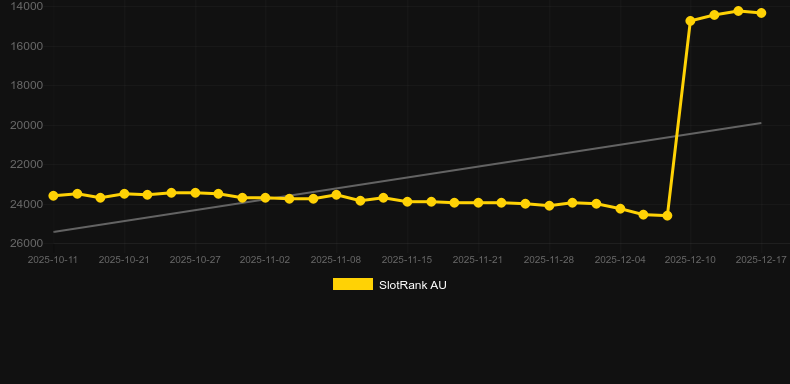
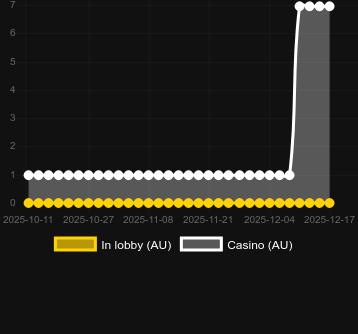
To avoid hotlinking and to keep performance predictable, the images below are saved locally in this project. They come from the public listing gallery/statistics and are used here as visual context.

FAQs
These are the most common questions players ask when learning a fishing shooter. If you want, I can also add a short “glossary” section for common fishing-arcade terms used in the community.
Is Spirit Tide Legend a slot or a fishing game?
It’s a fishing-style shooting arcade: you control a cannon, every shot costs money, and captures pay multipliers. Some listings call it a slot, but the play pattern is real-time and continuous.
How do I play Spirit Tide Legend on 6 Club?
Open Our Games → Fishing → Spirit Tide Legend. Start at a low cost-per-shot, use manual bursts, adopt a value lane, and apply shot caps. Use the Play Real button when you’re ready.
What’s the best beginner strategy?
Pick one lane, shoot only clean crossings, use small bursts, and stop chasing. Your first sessions should be about controlling spend, not hunting mythical targets.
Does Spirit Tide Legend have a free demo?
SlotCatalog currently indicates the demo is unavailable on their site. Availability can change by region and time. This page includes a Play Demo (External) button that opens the SlotCatalog section so you can check again.
Why does my balance drop so quickly in fishing games?
Because the game is continuous and it’s easy to keep firing. Switching to deliberate bursts, pausing during thin waves, and using caps dramatically reduces spend rate.
Are there ‘symbols’ in Spirit Tide Legend?
In fishing games, symbols are essentially target types (fish, armored creatures, special-effect targets, and bosses). This guide groups them into practical categories so you can decide what to shoot without memorizing a long list.
Is Spirit Tide Legend skill-based?
Partly. Skill improves efficiency (aim, lane discipline, timing, and stopping rules), but outcomes still involve randomness. Treat it as real-money gaming with real risk.
How can I play responsibly?
Set strict time and budget caps, never chase losses, and stop when the session stops being fun. If play feels compulsive, seek support resources in your region.
One last reminder
The best Spirit Tide Legend tip is not a secret weapon: it’s the ability to stop. If you can end sessions on schedule and treat bosses as optional, you’ll already be ahead of most players.