Fishing • Mega Fishing
Mega Fishing: a complete how-to guide for the Jili Games fishing shooter
Mega Fishing is a multiplayer fishing shooter: you aim, shoot, and get paid when targets are captured. The key idea is simple but easy to forget—every bullet costs money. This guide teaches you how to play it with structure: cannon levels, target priority, special weapon timing, boss discipline, and how to practice in demo mode.
Depth note: this page is intentionally written at 3000+ words to rank for searches like “Mega Fishing how to play”, “Mega Fishing tips and tricks”, “Mega Fishing boss”, “Mega Fishing wheel bonus”, and “Mega Fishing demo”.
What makes it special
Cannon control + boss events
Your discipline is your edge.
Foundation
Base cannon
One level most shots.
Control
Bullet caps
Rotate targets.
Timing
Clusters
Specials on overlap.
Exit
Timer
Stop on time.

Overview: what Mega Fishing is and how to play it well
Mega Fishing is built around a simple loop: targets swim across the screen, you fire bullets from your cannon, and you receive prizes when a target is captured. It feels more interactive than a reel slot because your aim and pacing matter. The tradeoff is that overspending can happen faster, because the game does not enforce a “spin rhythm” for you.
The best way to enjoy Mega Fishing is to treat it like a controlled arcade session. You define your base cannon level, you shoot in planned bursts, you prioritize targets with good screen time, and you use special weapons only when they can affect multiple prizes or secure a planned kill. Do that, and the game feels skillful and calm instead of frantic.
This guide is written to be practical. It does not promise a guaranteed win. Instead, it teaches you the decisions you actually control: which targets you shoot, how long you commit to them, when you step up the cannon, and when you stop.
Quick facts
Provider
Jili Games
SlotCatalog lists Mega Fishing as a Jili Games title.
Type
Fishing shooter (arcade)
This is not a reel slot. Every bullet is a wager and outcomes are tied to targets you shoot.
Players
Up to 4 on one screen
SlotCatalog describes multiplayer play with up to 3 other players.
RTP
97% (optimal play)
SlotCatalog lists RTP 97% and notes it assumes optimal play.
Max win
Up to 950×
SlotCatalog lists max win x950.
Bet range
0.1–100
SlotCatalog lists min/max bet; exact limits may differ by casino.
Release
2021-10-20
Listed release date on SlotCatalog.
Note: SlotCatalog provides an “Integrate demo game” snippet for Mega Fishing, but demo availability can vary by region. This page embeds the widget and also provides an external SlotCatalog link in the Demo section.
How to start Mega Fishing on 6 Club
The first session should feel slow and structured. If it feels frantic, lower your cannon and stop shooting while you watch the screen. Good fishing play is more like aiming and budgeting than like mashing buttons.
Open Mega Fishing from Fishing
In 6 Club, go to Our Games → Fishing and choose Mega Fishing. The Fishing gallery uses your local thumbnail (mega fishing.webp) and routes to this guide at /our-games/fishing/mega-fishing.
Treat every shot as a bet (because it is)
In fishing shooters, the spend-rate is controlled by your finger. You don’t pay once per spin—you pay per bullet. The easiest way to stay in control is to decide a simple plan before you start: a base cannon level, a time limit, and a stop-loss.
Pick a goal for the session
Good starter goals are: learn the UI, learn which targets behave like ‘small’ vs ‘big’ payouts, and practice one special weapon at a time. If you try to learn everything at once, the game feels chaotic and spending climbs.
Warm up on low value targets
Use the lowest comfortable cannon level and shoot slow, center-crossing fish to calibrate your timing. Once your aim feels steady, move up the value ladder gradually.
Save your first ‘boss attempt’ for later
Bosses are exciting, but they are where most bankroll damage happens. In your first 10–15 minutes, ignore bosses completely. Learn how quickly your balance drops at your base cannon level first.
If you want one rule that immediately improves your results: decide a bullet cap per target. Your cap is your “exit door”. Without it, boss play can eat an entire session.
Controls and UI: what matters most
Mega Fishing can look busy because it has targets, effects, and other players. You don’t need to understand every visual to play well. You need to understand the controls that affect your spending and your efficiency.
Cannon level (your stake per shot)
Your cannon level is the single most important control: it sets how much each bullet costs. The best way to play is to pick one base level for normal fish and only step up briefly for planned moments (clusters, wheel attempts, or a boss window).
Aim and timing (efficiency)
Efficiency means more hits per bullet. In practice: shoot fish that stay on screen, shoot near the center, and avoid firing at targets that are exiting. Missed bullets are pure cost with zero chance of return.
Special weapon buttons
Mega Fishing includes special weapons and effects. Treat them like tools, not entertainment. A special is worth using when it can affect multiple targets or when it meaningfully increases your chance to finish a high-value target.
Multiplayer screen (shared chaos)
Up to four players can share the same scene. That can add visual noise and overlap. The most reliable approach is to claim a ‘zone’ (left/middle/right) and keep shots disciplined instead of spraying into other players’ angles.
Cannon levels: your stake, your pace, your risk
In Mega Fishing, cannon management replaces “bet size” in slots. If you manage cannon levels well, you naturally manage risk. If you manage cannon levels poorly, every other tip becomes irrelevant because the spend-rate overwhelms you.
Base level
Pick a base cannon you can hold for 20–30 minutes without stress. Most of your bullets should be fired at this level.
Step-up window
Allow a small step-up (one notch) for short bursts. Use it for clusters, a planned boss window, or when your energy meter is about to convert into a free high-impact shot.
Hard cap
Set a maximum cannon level for the session and do not cross it. If you cross it, you turn the game into a tilt engine.
Shot pacing
Avoid holding rapid-fire by default. Fire in short, intentional bursts. This keeps your spend-rate visible.
Cannon ladder

The idea is simple: one base cannon most of the time, a brief step-up, and a hard cap you don’t cross.
Targets and “symbols”: how to prioritize what you shoot
Fishing shooters have the equivalent of “symbols” in slots: target categories that behave differently. Some are steady, some are swingy, and some exist mainly to trigger special moments. Your goal is to shoot targets that fit your plan.
Lead the fish (aim where it will be)
Mega Fishing targets move continuously, so ‘chasing’ a fish from behind often wastes bullets. A simple habit improves hit rate: aim slightly ahead of the target’s path and let it swim into your shots. This is especially important on mobile, where small aim corrections can turn into rapid-fire overspending.
Prefer the center lane over the edge lane
Targets near the center typically stay on-screen longer. That extra time means more chances for your bullets to connect before the target escapes. If a premium fish is hugging the edge and about to leave, skip it. There will be another premium fish later, but you won’t get those bullets back.
Shoot in short bursts, then reassess
Burst shooting is a control technique. Fire a small burst, check whether the target is still a good candidate (still on-screen, not crowded out by effects, not protected by chaos), then either commit for one more burst or rotate. This keeps your spend-rate visible and prevents automatic ‘spray and pray’ play.
Use a bullet cap per target (your exit door)
A bullet cap is the easiest way to stay disciplined. Example: on medium fish, allow a small cap (a few bursts). On premium fish, allow a larger cap (a few more bursts) only if you have a reason (cluster or special ready). On bosses, use a strict time window plus a cap. If the cap is reached, stop—no exceptions.
Small fish (foundation)
Examples: small fish, slow movers, steady mid-screen paths
Risk: Low variance per bullet
How to play it: Use these to keep your session stable and to charge meters. Favor targets that stay in the middle longer rather than darting off-screen.
Medium fish (core profits)
Examples: mid-size fish, occasional modifiers
Risk: Medium variance
How to play it: This is where many players do best: you get meaningful payouts without the extreme bullet drain of bosses. Use your base cannon and cap bullets per target.
Large fish / premium targets
Examples: golden fish, higher payout animals
Risk: High variance
How to play it: Only attempt these when you are calm and when you have a plan: a bullet cap and a reason (cluster, special weapon ready, or a bonus moment).
Boss targets
Examples: octopus boss, crocodile boss, other boss events
Risk: Highest variance
How to play it: Bosses are best treated as time-boxed attempts. Pick a short window, step up once if needed, and stop when the window ends—even if the boss is still on screen.
Target priority map
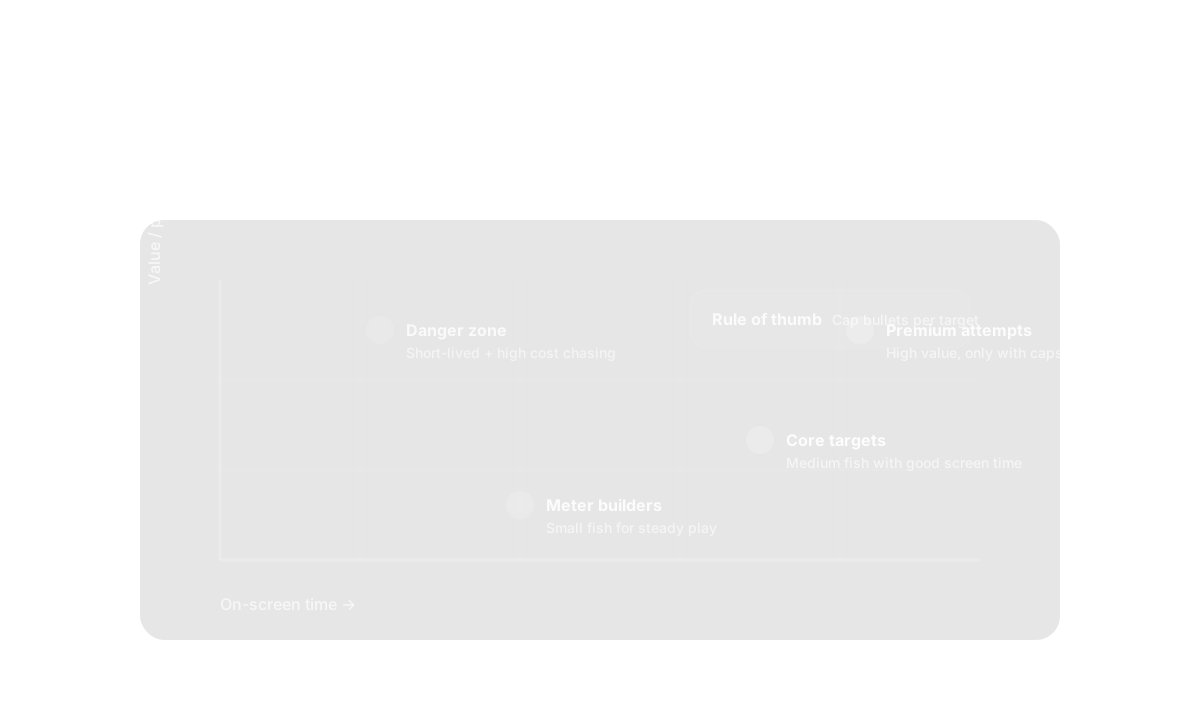
When in doubt, prioritize targets with more on-screen time. Efficiency beats chaos.
Special weapons: powerful tools, expensive mistakes
Mega Fishing includes special weapons and effects (SlotCatalog mentions torpedos, rail guns, and thunderbolts). Specials can be great, but they’re also where most new players waste money. A simple rule helps: if the special cannot affect multiple prizes or secure a planned high-value kill, save it.
Think in multiples, not buttons
Many fishing shooters price special weapons as a multiple of your current bullet cost. Even when the exact multiplier changes by mode, the practical takeaway is consistent: specials are only ‘cheap’ when they hit multiple targets or when they convert an already-good situation into a finished kill.
A simple decision tree
Ask three quick questions before using a special: (1) Is the screen dense enough that this can touch more than one prize? (2) Is there a premium target you are already committed to (planned kill)? (3) Do you have a clear stop point after you use it? If the answer is ‘no’ to all three, wait.
Torpedo
Cost idea: High-cost special (relative to a normal shot)
Best use: Finishing a valuable target or clearing a dense cluster
Avoid: Spamming it on small fish or empty water
Rail gun
Cost idea: Premium special with chaining potential
Best use: Lining up multiple targets so one hit can ripple into others
Avoid: Using it when only a single low-value fish is available
Thunderbolt
Cost idea: A powerful multi-target tool (often earned via meter)
Best use: Clusters, crossings, or when multiple targets share a lane
Avoid: Firing it the moment you get it instead of waiting for a good screen
When specials are worth it
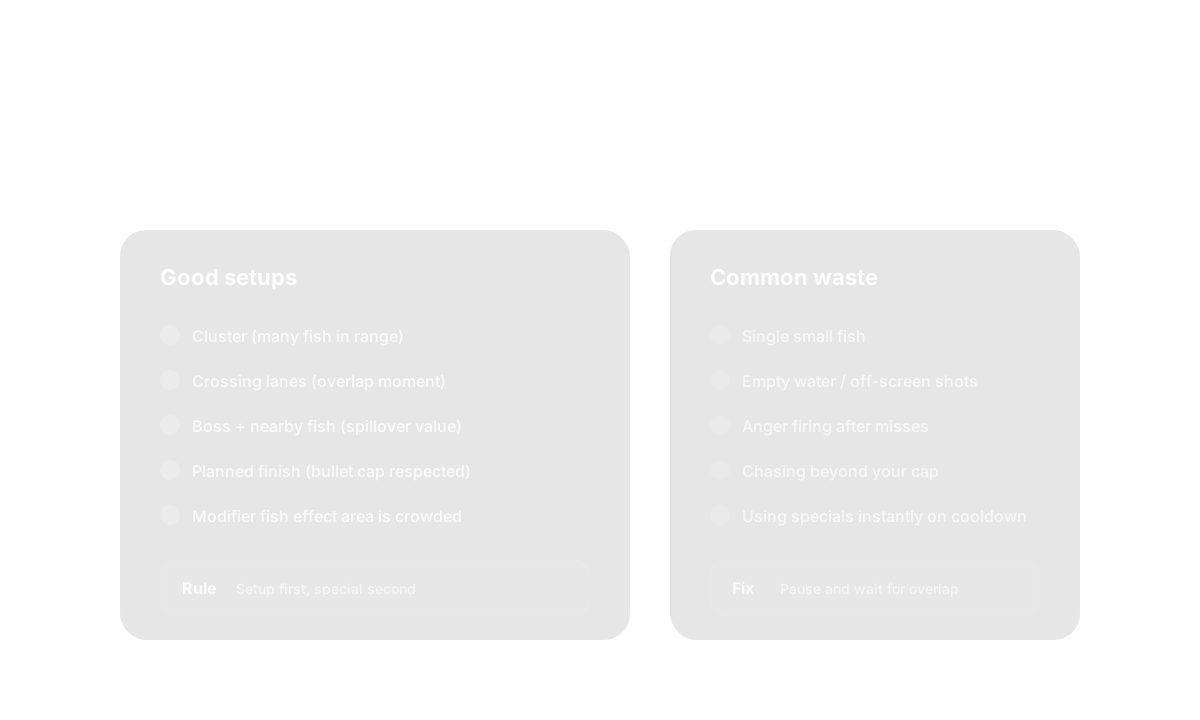
Think in setups: cluster first, special second. Reversing that order is how specials become expensive fireworks.
Modifier fish: bonuses that change the screen
SlotCatalog describes special “modifier” targets that create extra effects after defeat (for example, vortex, bombs, or a chasing drill effect). These are not just cosmetic. They can turn a normal moment into a multi-prize moment—if you trigger them when the screen is dense.
Vortex-style modifier (starfish)
Some modifier targets create an area effect that can pull in or affect additional prizes. Treat these like ‘value multipliers’: they are best when the screen already has multiple targets in range.
Bomb-style modifier (bomb crab)
Explosive modifiers are most valuable when they detonate near a cluster. If you kill a bomb-style target in empty space, you waste the spillover potential.
Chase-style modifier (drill crab)
Chasing effects can hit additional fish after the initial kill. The practical approach is patience: wait for a crowded screen, then trigger the effect where it can travel through multiple targets.
Practical rule: modifier effects are worth more when you kill the modifier near other targets. If the screen is empty, pause and wait.
Energy meter / free Thunderbolt: how to use it smartly
SlotCatalog notes that regular shots can contribute toward a free thunderbolt feature. That means your low-risk shooting can “build” into a high-impact moment. The common mistake is firing the reward instantly. The better approach is to wait until the screen presents overlap: crossings, clusters, or a boss plus nearby fish.
Why it matters
A free high-impact shot is one of the best reasons to keep a stable base cannon. You can build the meter without overspending.
How to use it
Treat the free shot as a ‘screen clear’ moment. Wait for density, then use it when it can touch several prizes at once.
Bosses: excitement with a safety plan
Bosses are what most players remember—and what most players overspend on. The safest boss strategy is to convert boss play into a time-boxed plan rather than a mood. Decide your window and your budget before the boss appears.
Boss attempt recipe (repeatable)
If you want a boss plan you can actually follow, keep it boring and specific. Pick a short window, decide your cannon behavior, and pre-commit to leaving when the rule says leave. This prevents the common trap: “just a few more bullets” that silently becomes five more minutes.
1) Time-box
Choose a timer window (example: 45 seconds). When the timer ends, you stop firing at the boss.
2) Cannon rule
Stay at base cannon or step up once. No repeated step-ups. Your base plan matters more than the boss.
3) Bullet cap
Set a hard cap for the attempt. If the cap is reached, stop even if the boss is “almost dead”.
Immortal bosses (farm, don’t chase)
SlotCatalog describes ‘immortal’ bosses that can’t be killed but can be shot for prizes while they remain on-screen. The correct mindset is farming: set a strict time/bullet budget and collect what you can without expecting a final kill.
Killable bosses (plan the attempt)
Some bosses can be taken down. When you decide to attempt a kill, do it systematically: step up once, use a bullet cap, and stop if you hit the cap. Ending cleanly matters more than one extra burst.
Awakened boss loop (risk increases fast)
SlotCatalog describes a boss that can awaken and continue interacting with other fish after defeat. That can increase upside, but it can also tempt you to overshoot. Treat it as upside, not a reason to abandon your plan.
Wheel bonus: what it is and how to avoid chasing it
SlotCatalog describes a wheel bonus tied to a major boss moment (often the octopus). Wheels are exciting because they can create big jumps in winnings. They’re also dangerous because they trigger “I have to get it again” thinking.
How the wheel fits into the game
The wheel bonus is a special payout mechanic tied to a major event (for example, defeating a specific boss). It’s a ‘spike’ moment: sessions can change quickly if you land a high result.
How to approach it safely
The biggest mistake is switching into a higher cannon level just because the wheel is possible. If you want to play higher, schedule it as a separate, budgeted session. In normal sessions, keep your base level and treat wheel access as a bonus.
RTP and variance: what the numbers mean for real play
Mega Fishing is one of those games where the stats can mislead. “97% RTP” is not a guarantee. It is a theoretical return that assumes solid decisions. If you want to play closer to the theory, the recipe is discipline: stable cannon, target efficiency, and clean stop rules.
RTP in fishing games is different than slots
SlotCatalog lists Mega Fishing RTP as 97% with the note that it assumes optimal play. In plain English: your choices can change outcomes. If you shoot inefficiently (misses, low-value targets at high cannon, chasing bosses), your real-world return drops.
Variance comes from target selection
In slots, volatility is baked into the math. In Mega Fishing, volatility is something you partially choose. Small fish = smoother swings; bosses = sharper swings. Pick the risk you actually want.
What ‘max win 950×’ means
Max win is a theoretical ceiling tied to rare outcomes (high-value kills and bonus results). Use it as motivation to learn mechanics—not as a reason to spend aggressively.
Tips and tricks (practical and repeatable)
A good Mega Fishing session looks boring on paper: one base cannon, planned bursts, and consistent target selection. That’s the point. Consistency is what turns a chaotic shooter into a manageable game.
Use a bullet cap per target
Before you start firing at a single big fish, decide a maximum number of bullets you’re willing to spend. If the target survives your cap, switch targets. Caps prevent the most common leak: tunnel vision.
Center shots beat corner shots
Targets exiting the screen create forced misses. Prioritize fish traveling through mid-screen where you can track them longer and where specials can affect multiple targets.
Save specials for overlap
Specials are worth the cost when they can touch multiple prizes. Wait for crossings, stacked lanes, or a boss plus nearby fish rather than firing the special instantly.
Keep one base cannon for most of the session
A stable base cannon keeps spending predictable. Stepping up should be a timed decision, not an emotional response.
Claim a zone in multiplayer
On busy screens, pick a side and keep your aim contained. Spraying into the whole screen increases cost without increasing control.
Use timers
Fishing games accelerate quickly. A 20–30 minute timer is a simple guardrail that stops “just one more boss” decisions.
If you only adopt one tip: bullet caps. Caps solve chasing. Chasing is the single biggest reason fishing sessions blow up.
Session templates you can copy
Templates remove decision fatigue. You don’t debate what to do next—the template already decided. Pick one template that matches your goal and follow it exactly.
Starter discipline (20 min)
Duration
20 minutes
Goal
Learn controls and pace
Base cannon only. Shoot small/medium targets. No bosses. Practice one special weapon once or twice on a clear cluster. Stop at the timer.
Cluster hunter (25–35 min)
Duration
25–35 minutes
Goal
Maximize efficiency
Base cannon for normal play. Step up briefly only when a cluster forms or when you have a clear special setup. Use bullet caps per target.
Boss window (15–20 min)
Duration
15–20 minutes
Goal
Try one boss attempt safely
Warm up 5 minutes on medium fish. Choose one boss attempt window (5–8 minutes). Set a strict bullet budget for the boss. End the session immediately after the window.
Low-stress mobile session (15–25 min)
Duration
15–25 minutes
Goal
Play calmly on phone
Lower cannon than usual. Short bursts only. Avoid bosses. If the screen is chaotic or laggy, stop—lag wastes bullets.
Mistakes to avoid (fast fixes)
Most “bad luck” stories in fishing games are actually untracked spending. Fix the mistakes below and you’ll usually feel better immediately, even before you see bigger wins.
Holding rapid-fire by default
It feels fun, but it hides spend-rate. Switch to intentional bursts so your brain can keep up with costs.
Chasing one target for too long
This is the classic leak. Use bullet caps and rotate. If a fish is not landing, move on.
Using specials without a setup
Special weapons are expensive in opportunity terms. Save them for clusters or a planned kill, not as a reflex.
Stepping up cannon after losses
That’s tilt. Cannon step-ups should be planned before the moment, not triggered by frustration.
Turning boss play into a full session
Bosses are a time-boxed activity. If you stay in boss mode too long, the game becomes high-volatility spending.
Myths (beliefs that cost money)
‘More bullets means it must die soon’
Truth: In fishing games, outcomes can be streaky. Spending more does not guarantee the next hit finishes the target.
Fix: Use bullet caps and rotate. Caps keep the math honest.
‘I should raise cannon whenever a boss appears’
Truth: Boss presence is not a guarantee of profit. Raising cannon increases cost immediately.
Fix: Use a planned boss window with a strict budget—or skip the boss entirely.
‘Special weapons are always efficient’
Truth: Specials are only efficient when they hit multiple targets or secure a planned kill.
Fix: Wait for overlap and use specials with intent.
‘RTP guarantees my session results’
Truth: RTP is long-run theory and in fishing games it assumes good decisions.
Fix: Focus on decisions you control: cannon level, timing, targets, and stop rules.
Mega Fishing is most enjoyable when you treat it as entertainment with structure. Structure is what keeps the game fun.
Play demo vs play real
Demo is the best place to learn cannon pacing, special timing, and boss discipline without emotional pressure. If the demo is restricted on your network/region, you can still practice safely by using minimum cannon and short sessions.
Playable demo
Mega Fishing demo widget
If the demo is restricted on some networks/regions, the widget may not load. In that case, use the “Play Demo” link to open SlotCatalog directly.
Widget status
Loading
Source: SlotCatalog “Integrate demo game” snippet (FreeDemo widget). This page embeds it for convenience.
Demo checklist
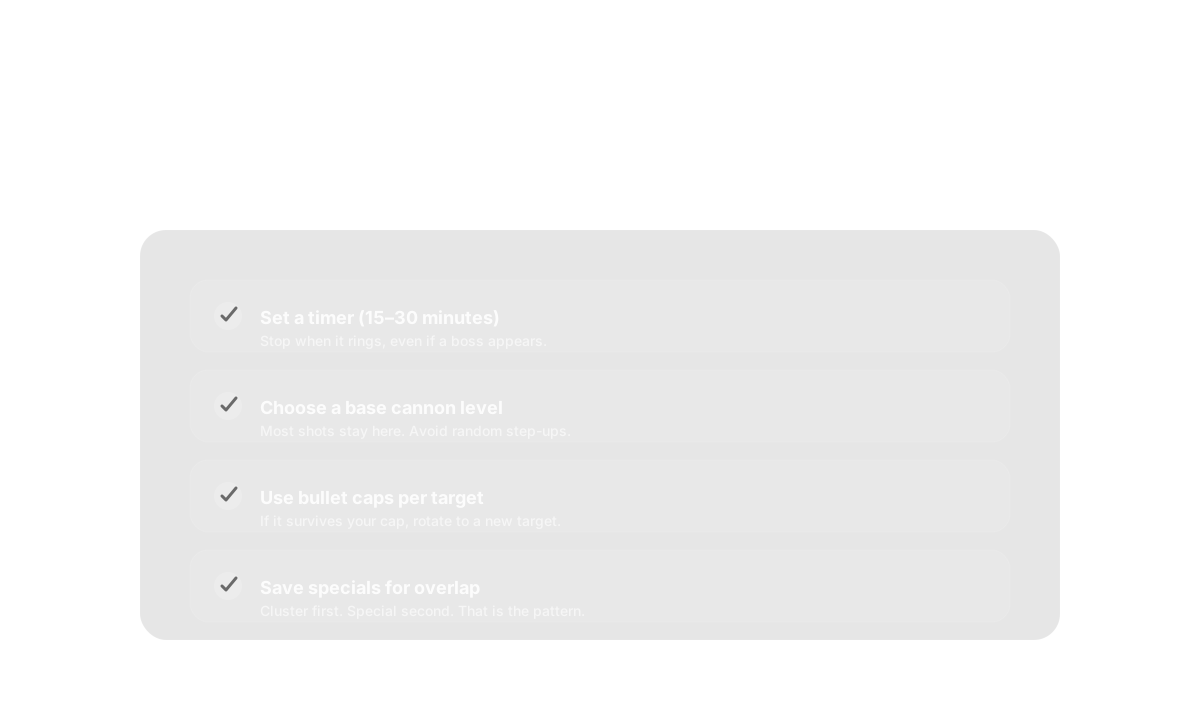
Demo practice is most valuable when you practice discipline: timer, base cannon, bullet caps.
Video (from SlotCatalog)
SlotCatalog maintains a “Video and Image gallery” section for Mega Fishing. If you want to watch any available gameplay footage or browse the full gallery, use the link below. This page keeps most media local for speed, but we avoid embedding unknown third-party players.
Availability can vary by region and may require age verification on SlotCatalog.
Mega Fishing FAQs
Is Mega Fishing a slot?
No. Mega Fishing is an arcade-style fishing shooter. You wager per bullet and win by capturing targets on screen.
Can I play Mega Fishing on 6 Club?
Yes. Mega Fishing appears under Our Games → Fishing on 6 Club. Availability can vary by region/platform, but the guide route and tile exist.
Does Mega Fishing have a demo?
SlotCatalog provides an “Integrate demo game” snippet for Mega Fishing. This page embeds the demo widget and also links to SlotCatalog in case the widget is restricted in your region.
What is the RTP of Mega Fishing?
SlotCatalog lists Mega Fishing RTP as 97% with a note that it assumes optimal play. In practice, your results depend heavily on your choices and discipline.
How do I use cannon levels safely?
Pick one base cannon level for normal play, allow only brief step-ups for planned moments, and set a hard maximum for the session.
What are the best beginner targets?
Start with small and medium fish near the center of the screen. Avoid boss chasing until you understand your spend-rate and can follow a bullet cap.
How do I stop overspending in fishing games?
Use three guardrails: a timer, a base cannon level, and a bullet cap per target. These three controls prevent nearly all tilt patterns.
Is Mega Fishing skill-based or luck-based?
It’s both. You can’t control the outcome of any single target, but you can control decisions that strongly affect your long-run results: cannon level (cost per bullet), timing (shooting targets with enough on-screen time), and discipline (caps and stop rules). Good play looks like a small set of repeatable habits, not constant high-cannon chasing.
What cannon level should I use as a beginner?
Start low enough that you can play for 20–30 minutes without feeling pressured. In fishing shooters, the danger isn’t only ‘losing’—it’s losing quickly due to rapid-fire at a high cannon. Once you can keep a steady base level and follow bullet caps, you can add short step-up windows for clusters or planned boss attempts.
Do special weapons cost more than normal bullets?
Often, yes. Many fishing shooters price specials as a multiple of your current cannon cost. Even if the exact multiplier varies by mode or casino, the mindset stays the same: specials must earn their cost by affecting multiple targets or securing a planned high-value kill. If the screen is empty, wait and save the special for a better setup.
What’s a safe way to approach bosses?
Make boss play a small, scheduled part of the session. Choose a short time window (for example, 30–90 seconds), decide whether you will step up the cannon once, and define a hard bullet cap. If the window or cap ends, you stop even if the boss is still on-screen. This turns bosses from an emotional chase into a controlled strategy.
Images and visuals (targets, UI, and strategy diagrams)
Below are locally hosted visuals for faster loading: original SVG diagrams that explain cannon discipline and target priority, plus a small set of screenshots saved from SlotCatalog’s image gallery.

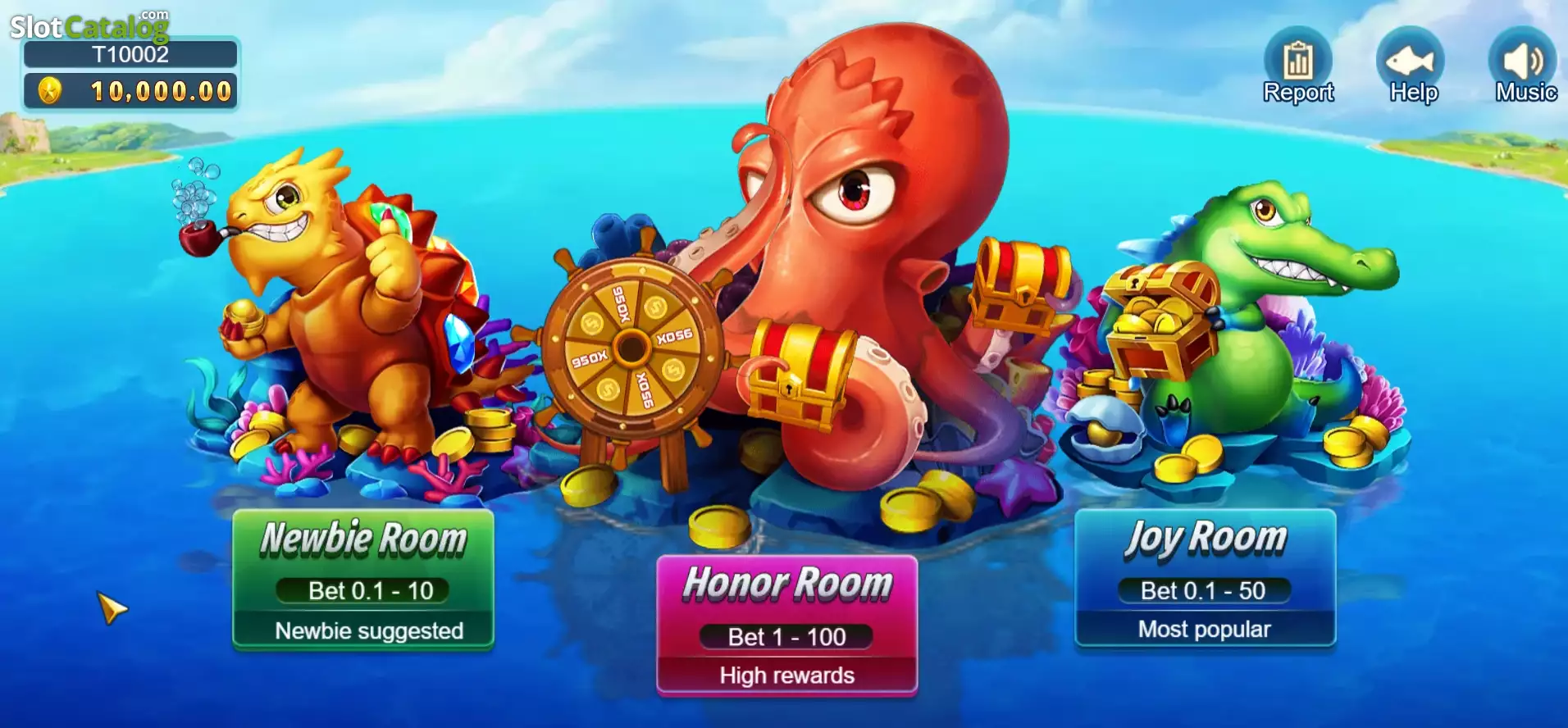
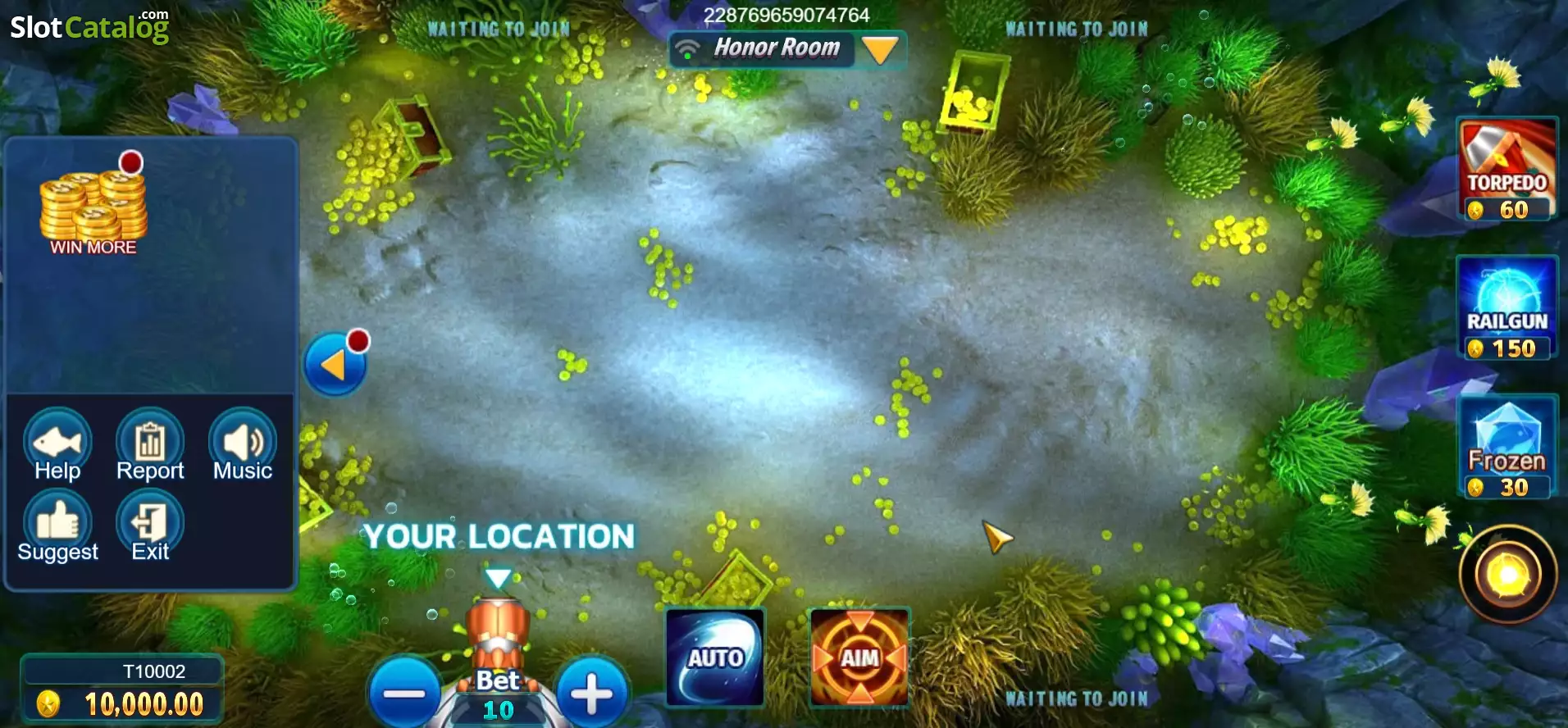
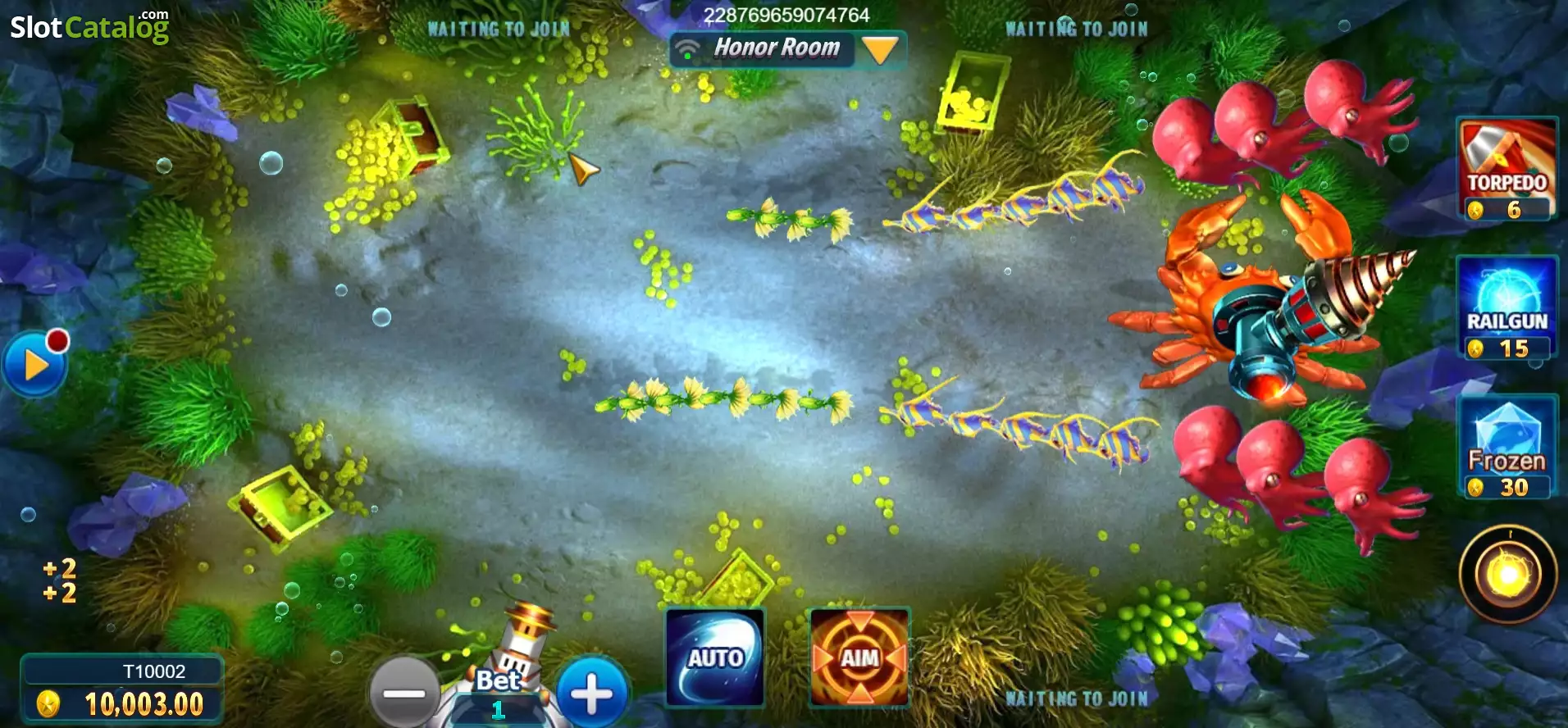
Source note: screenshots were saved from the SlotCatalog gallery for informational reference.
Next step
Ready to play Mega Fishing with structure?
Use a base cannon. Shoot in bursts. Set bullet caps. Time-box bosses. Stop on time. That’s the simplest reliable way to enjoy a high-energy fishing game.